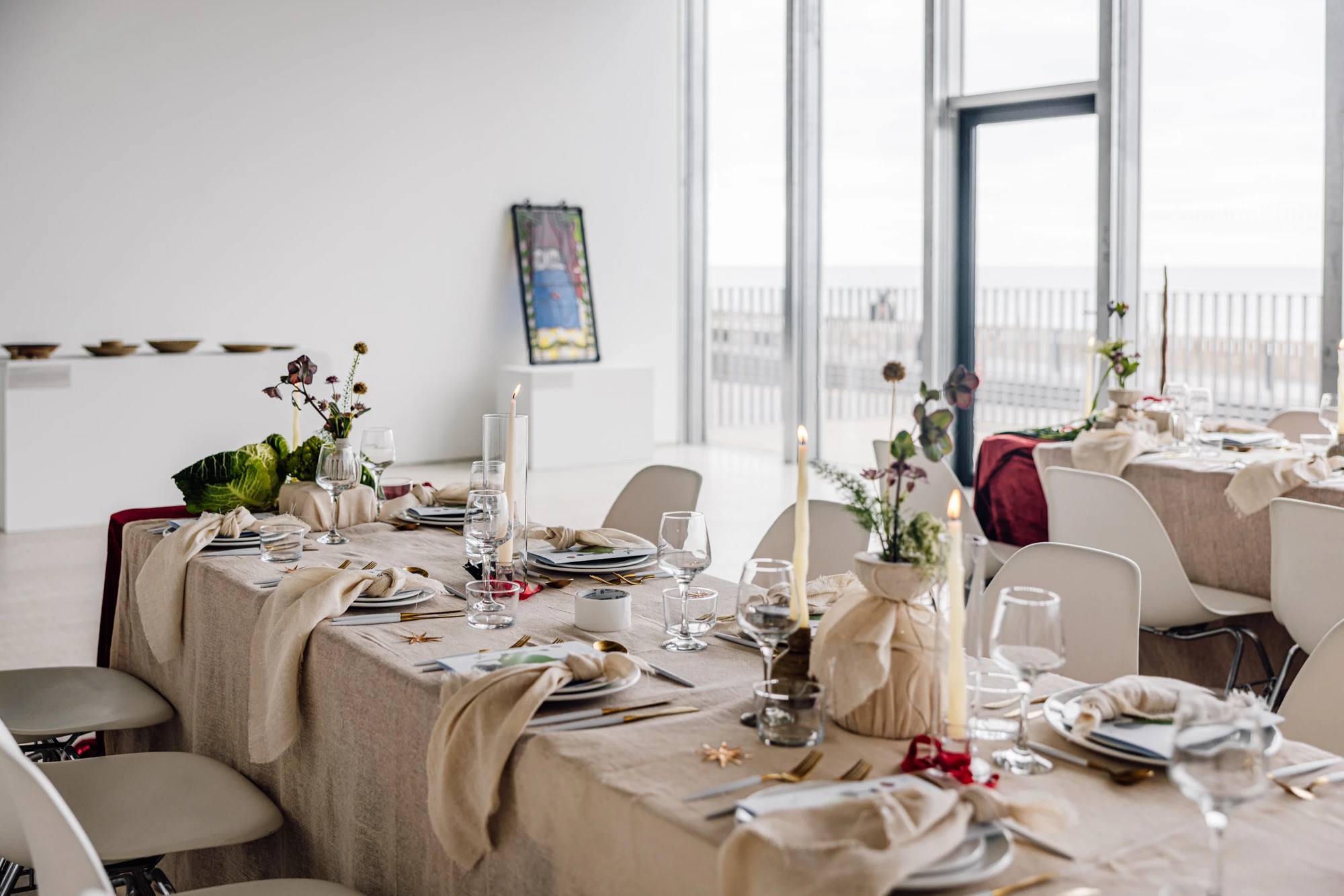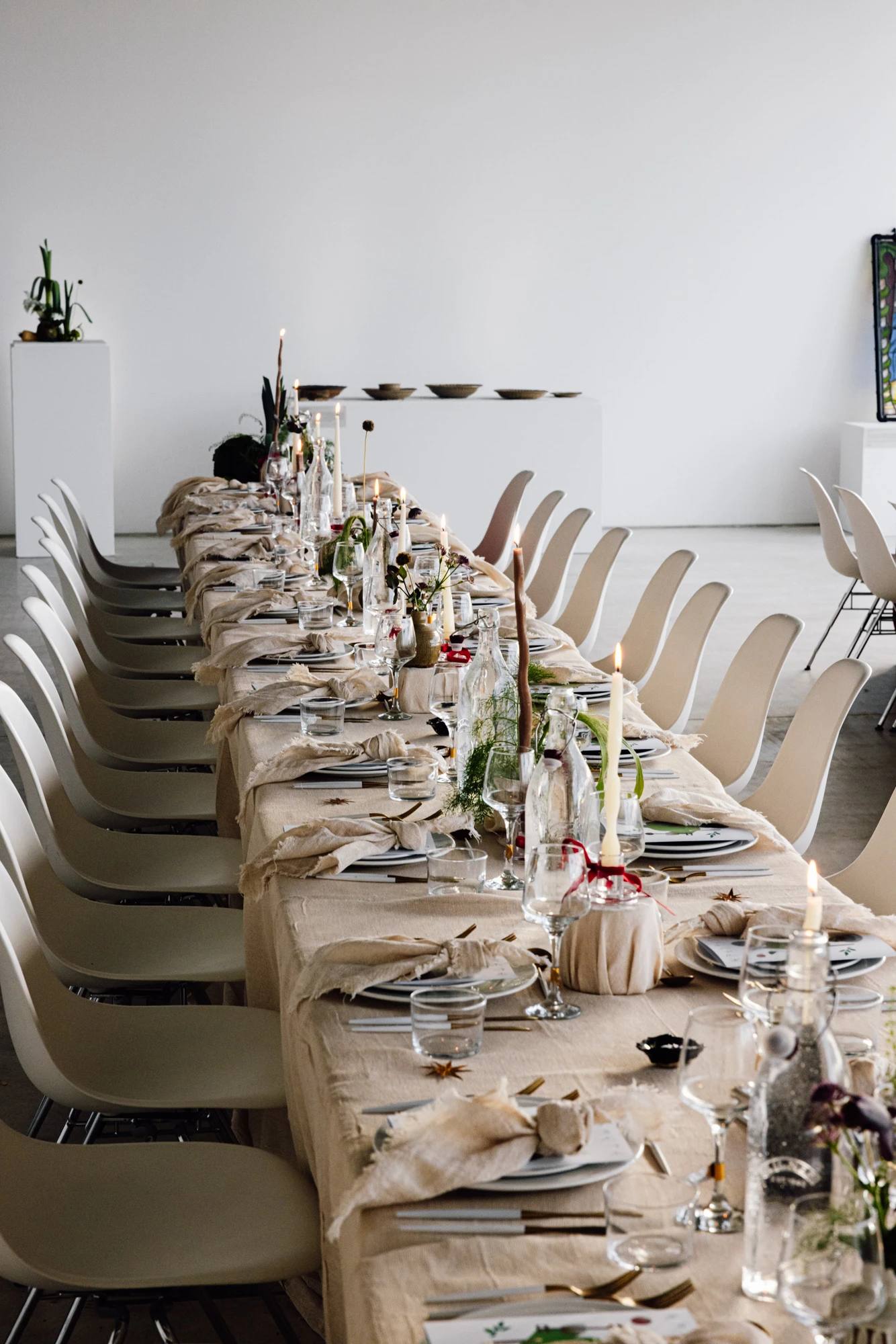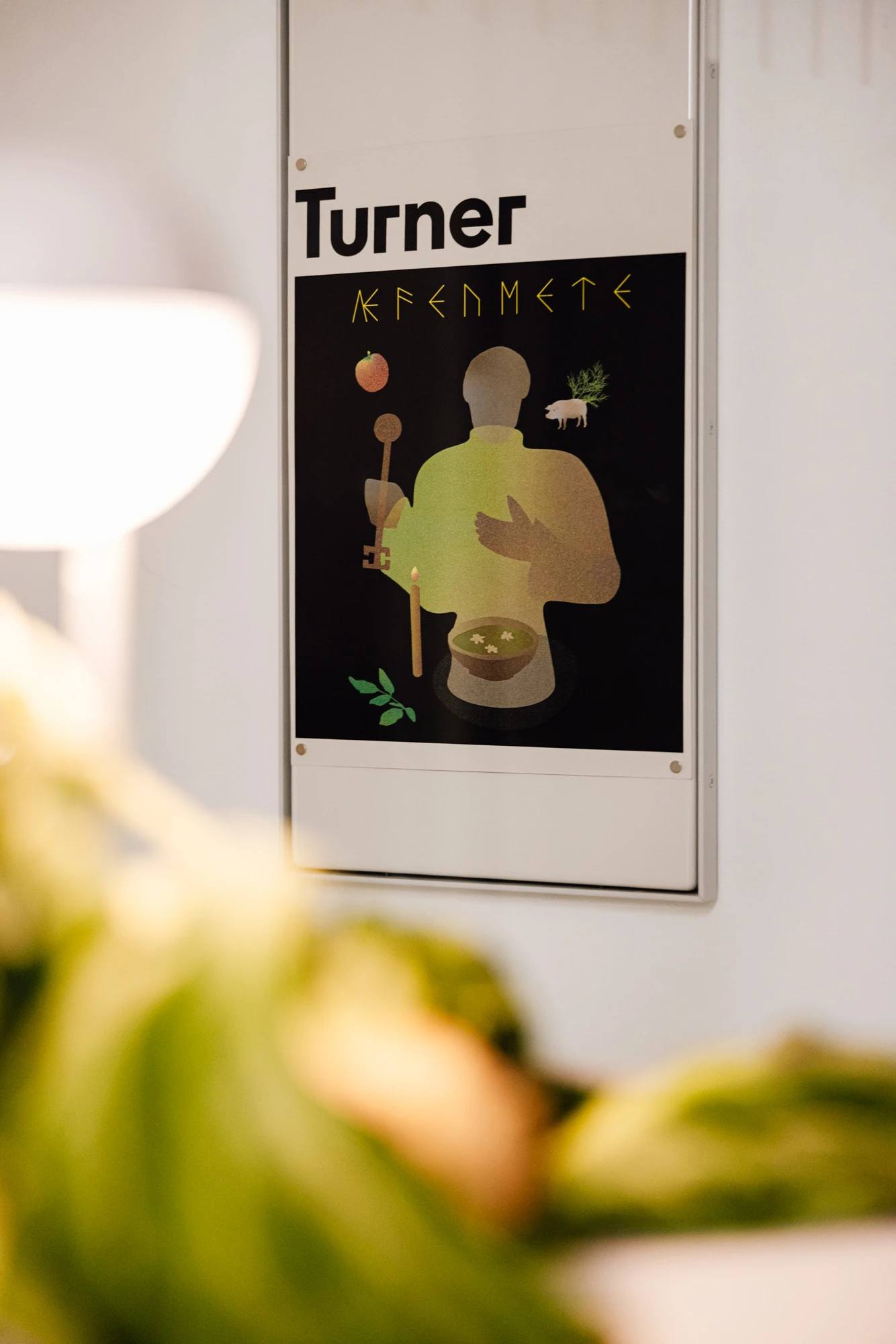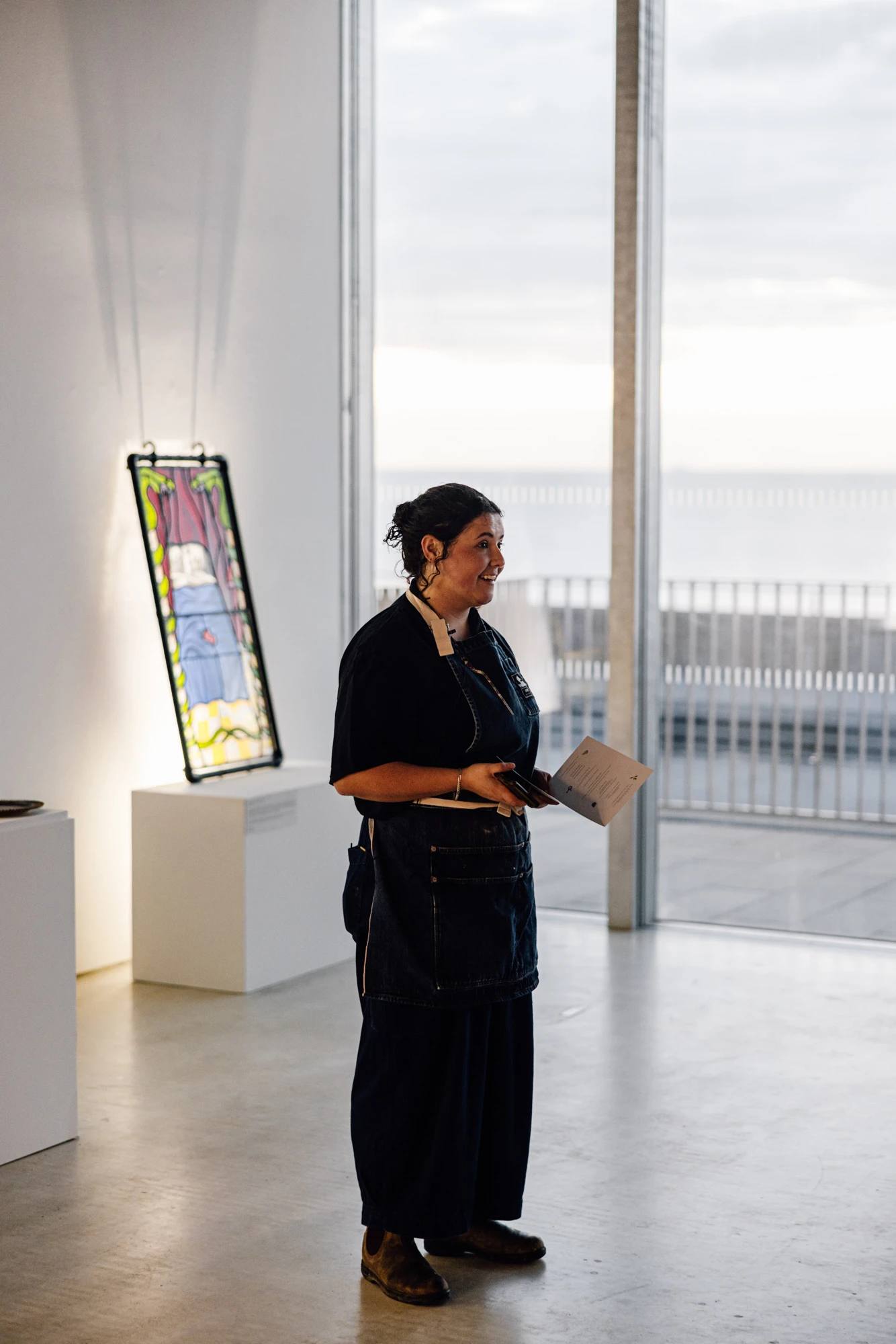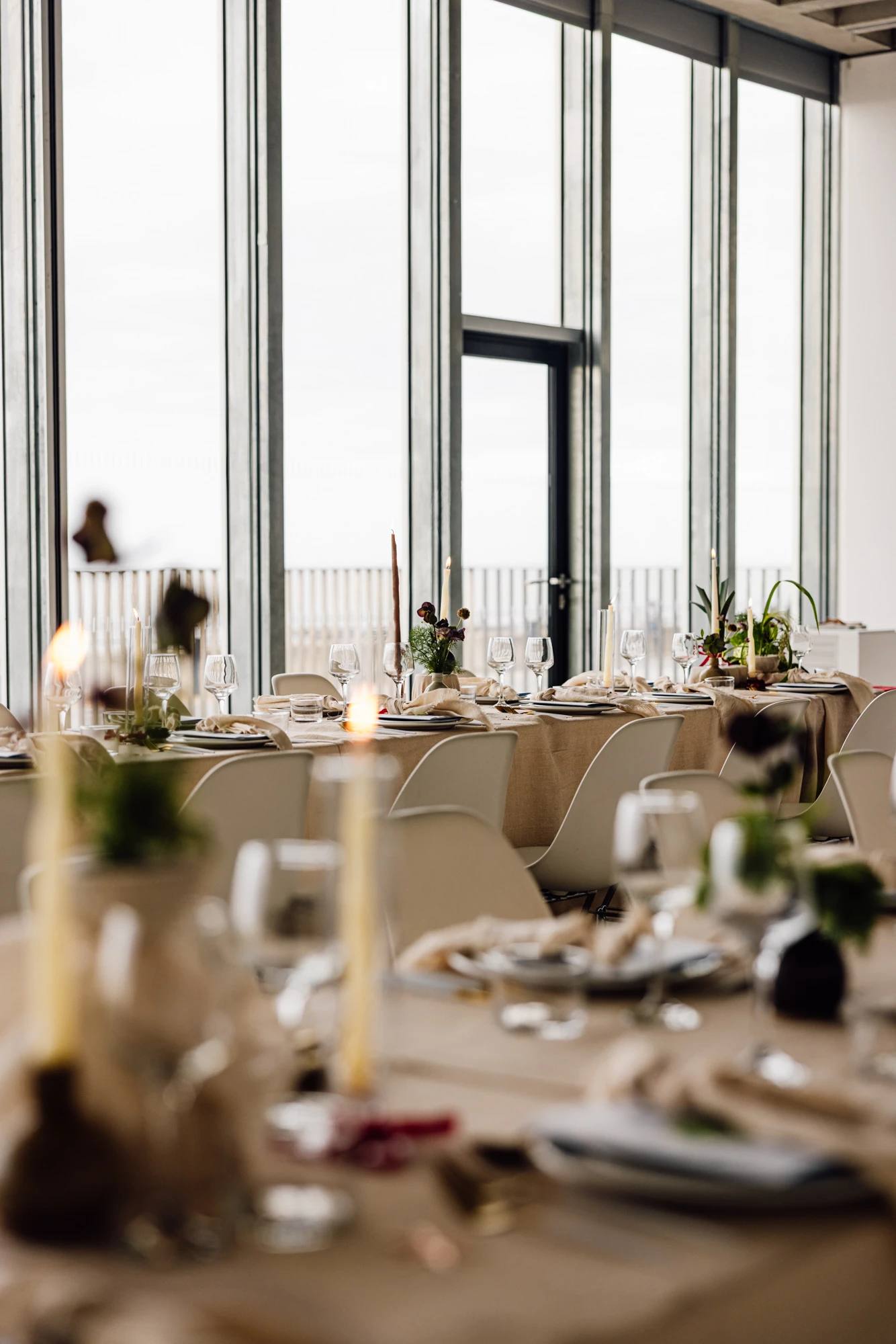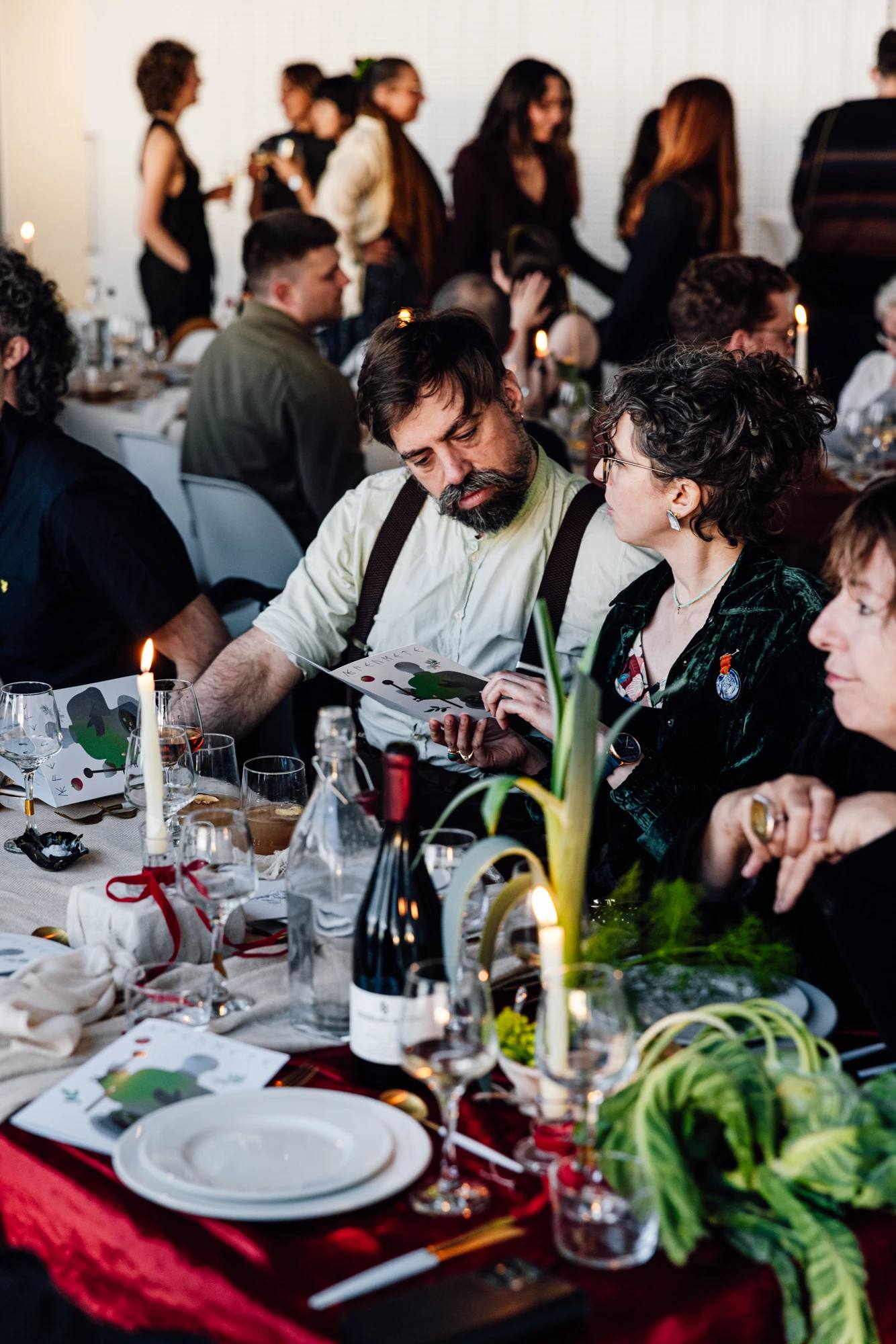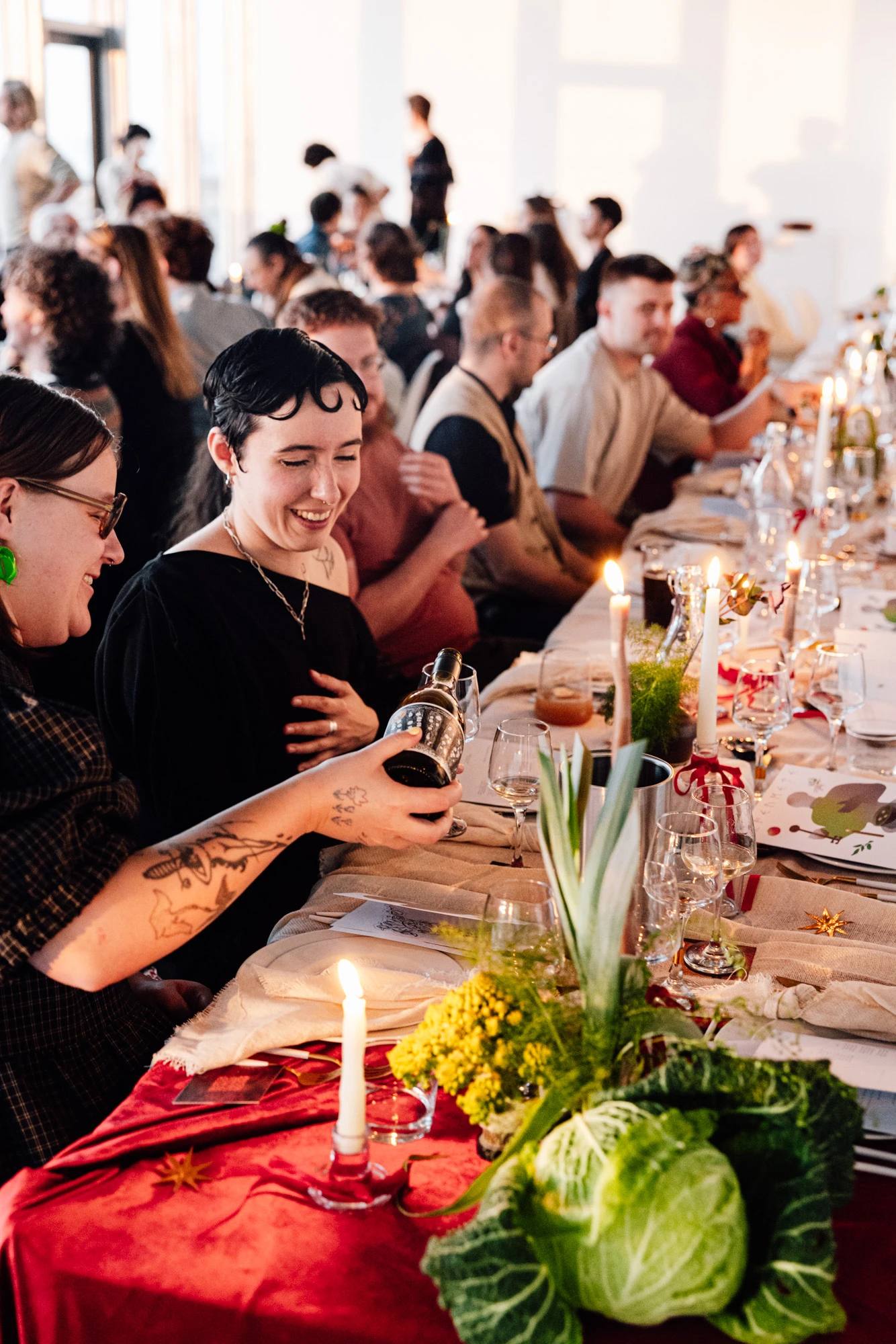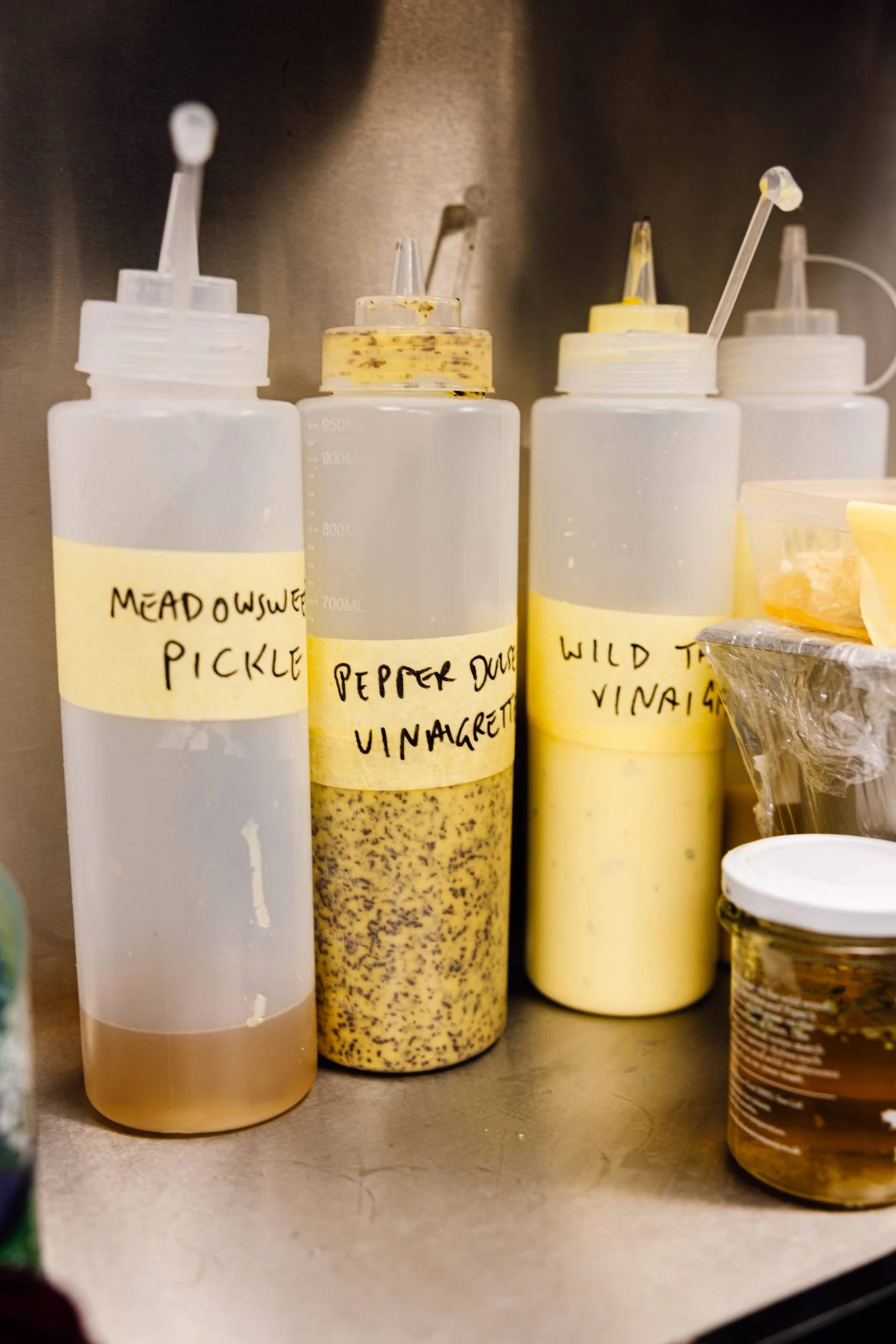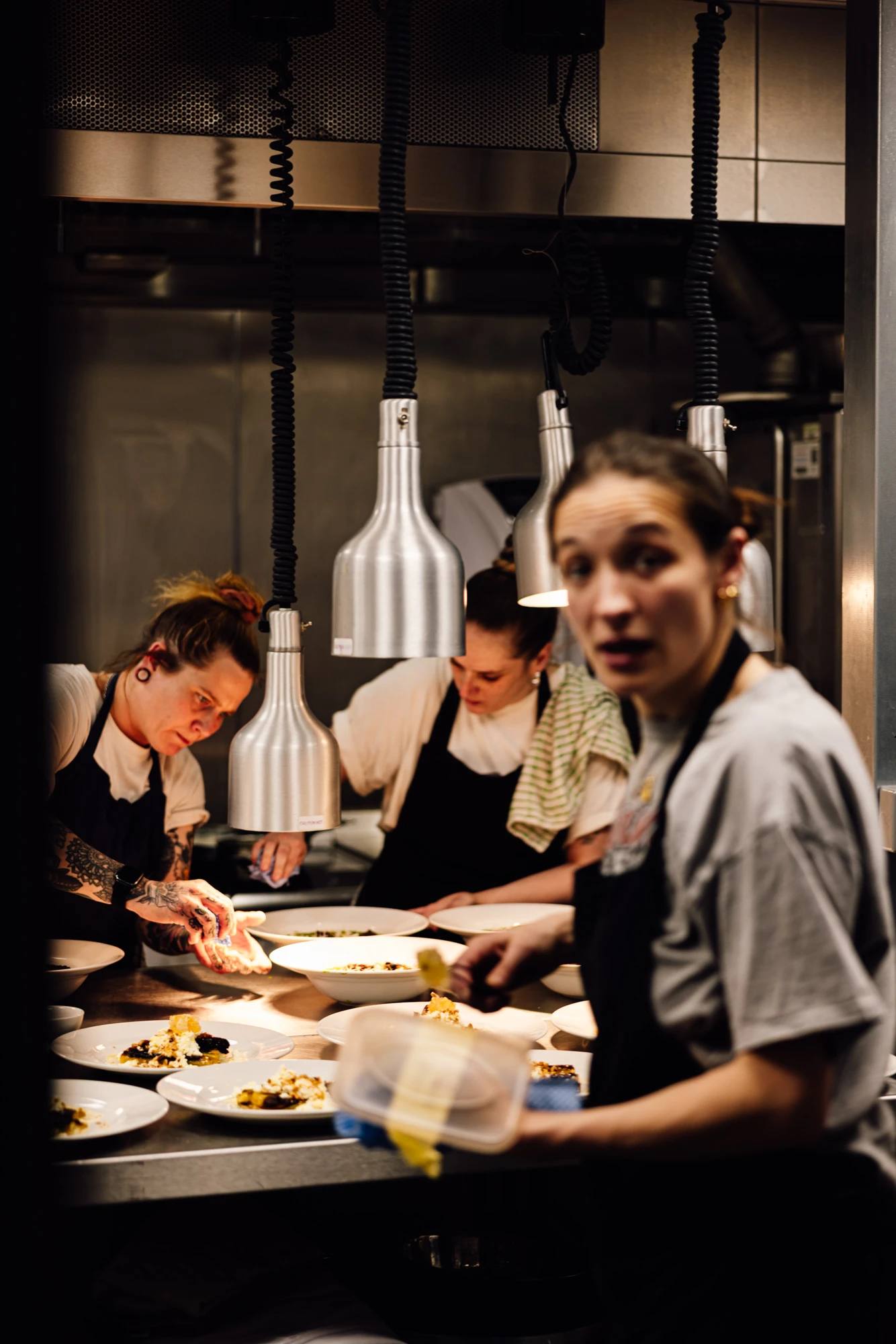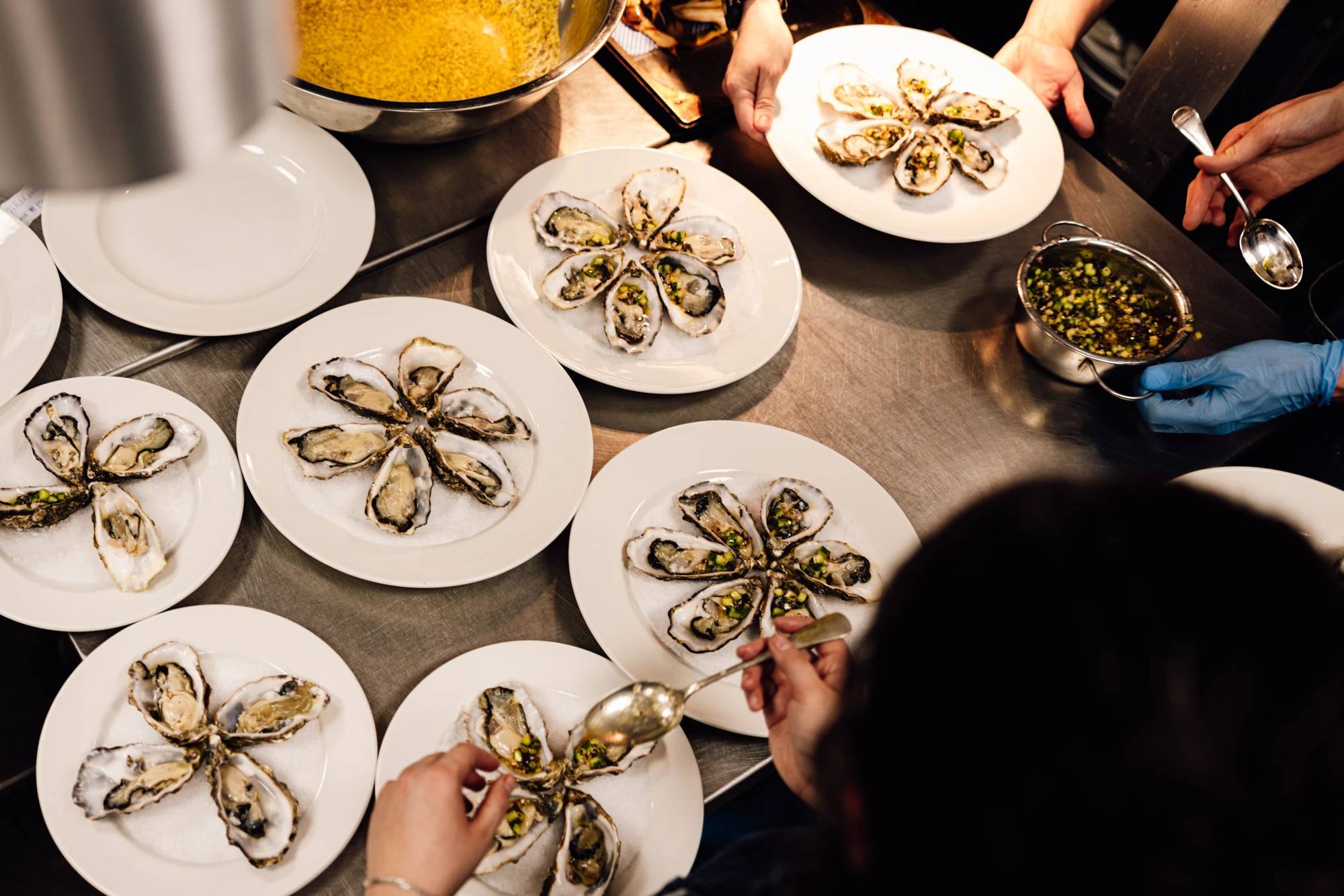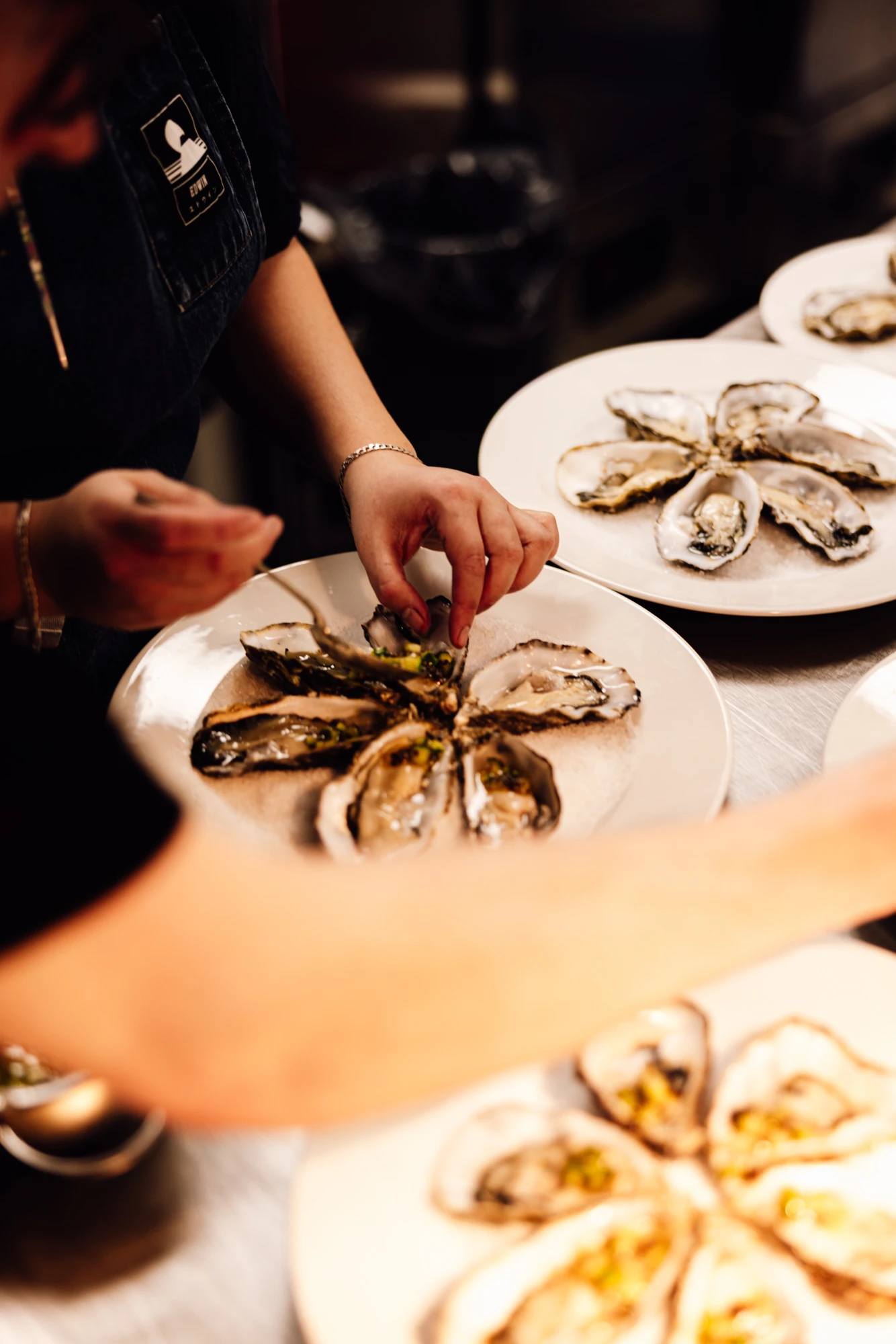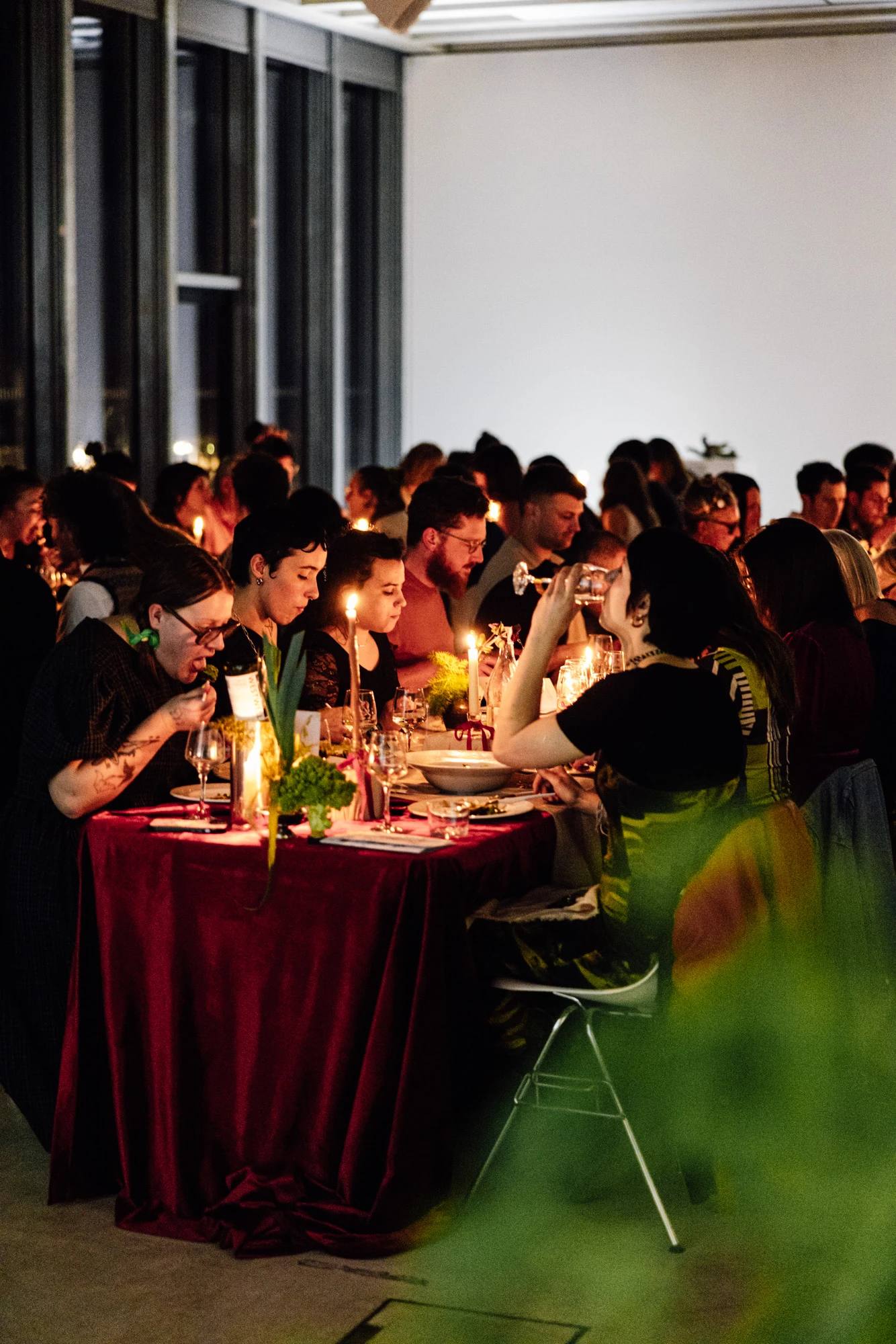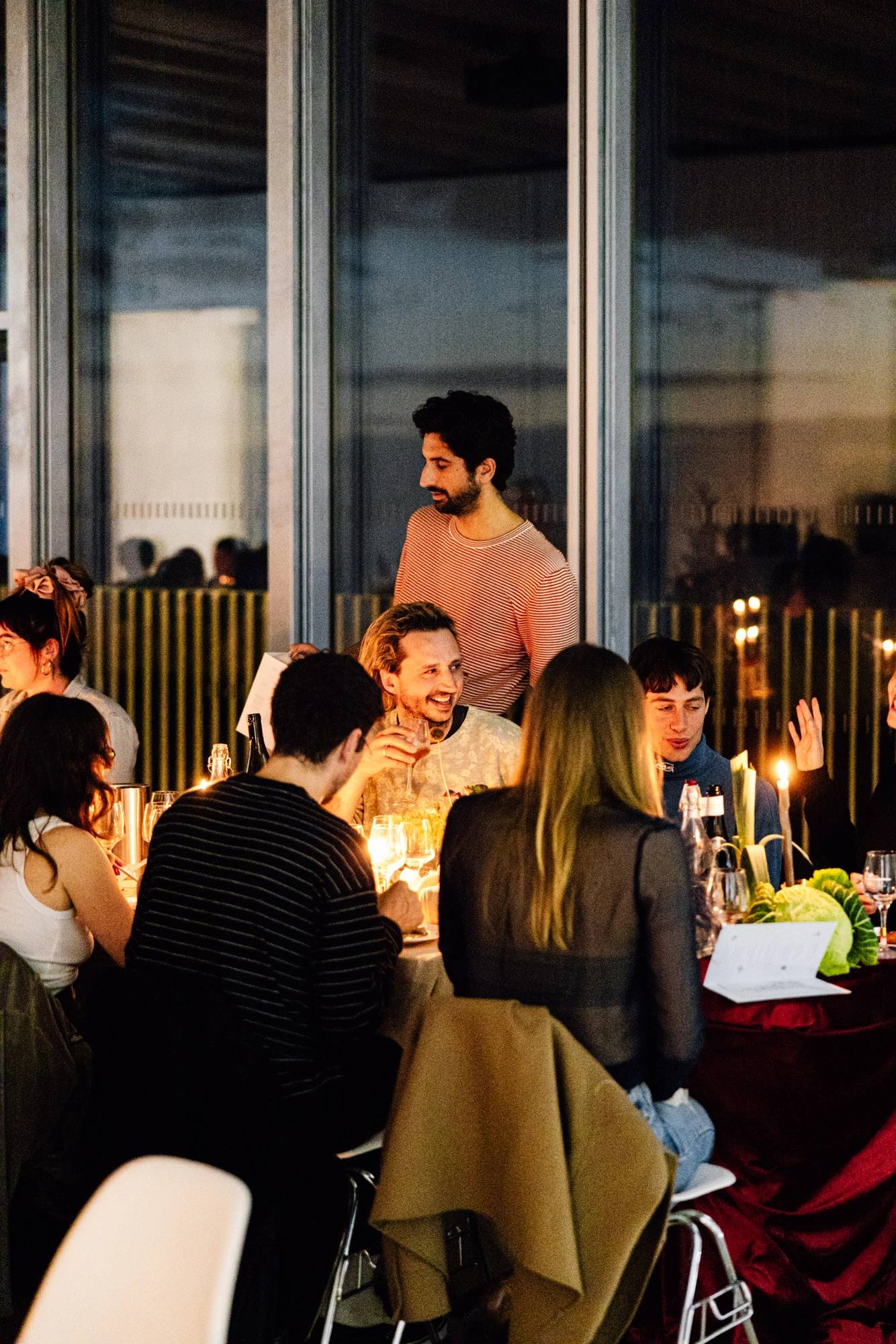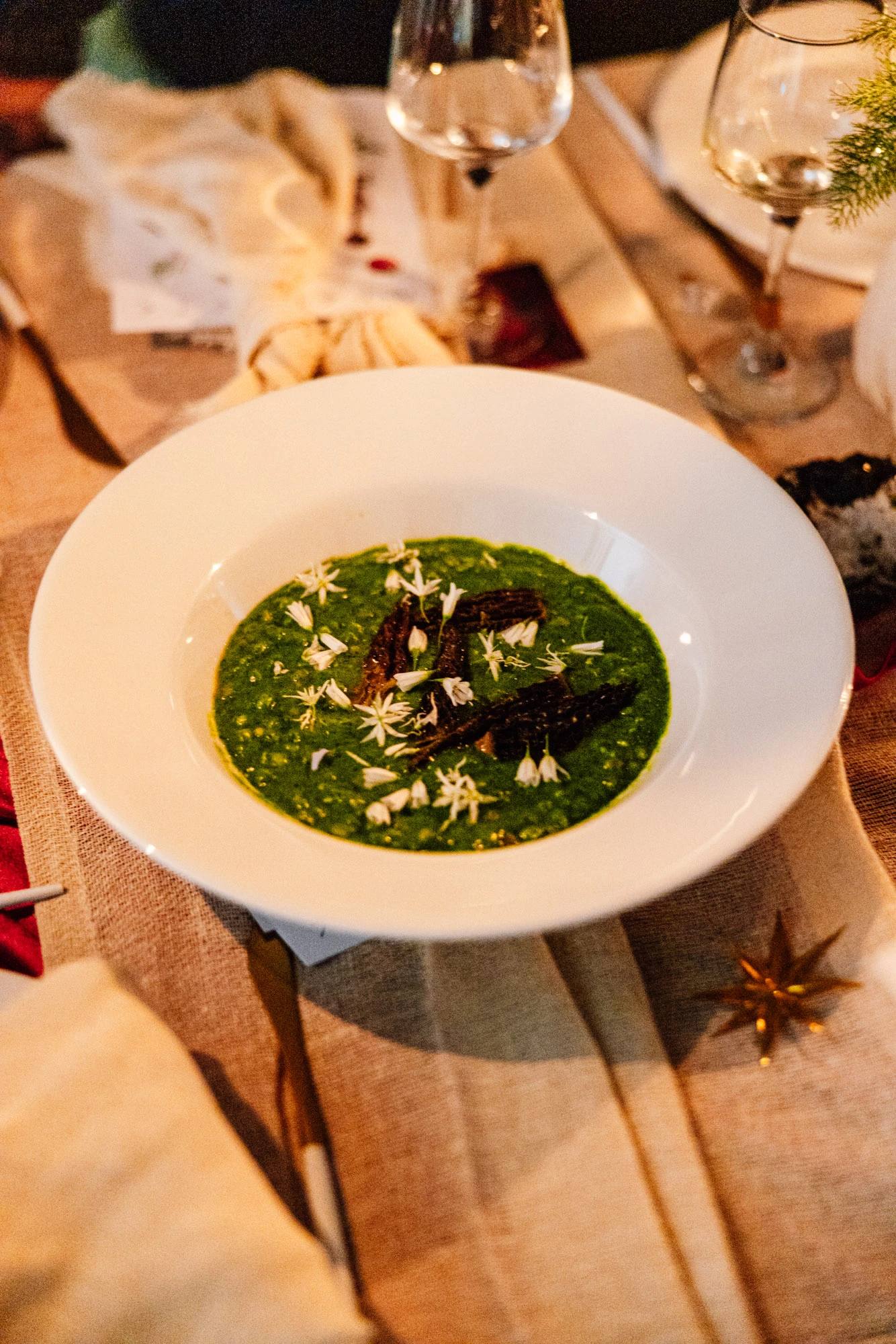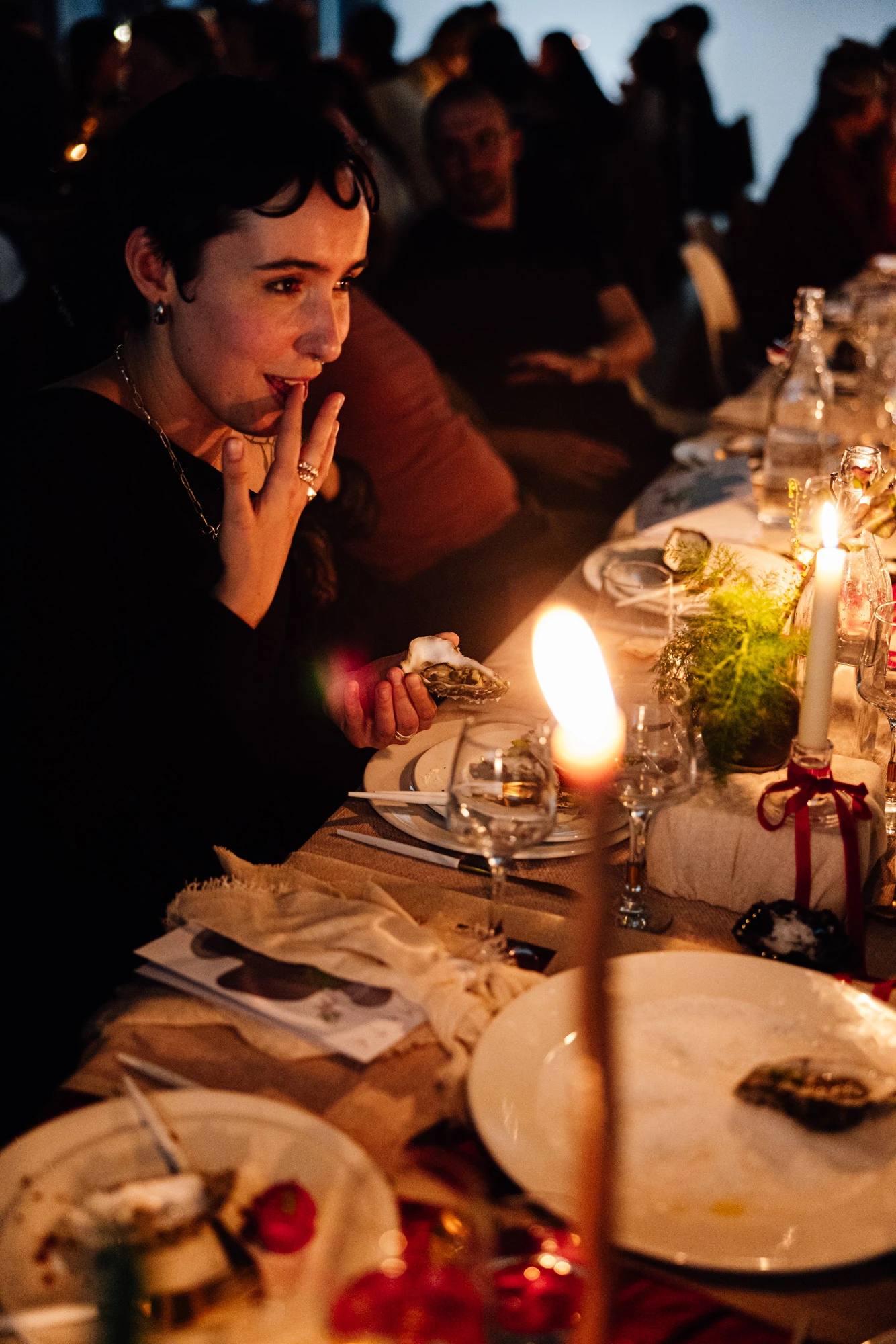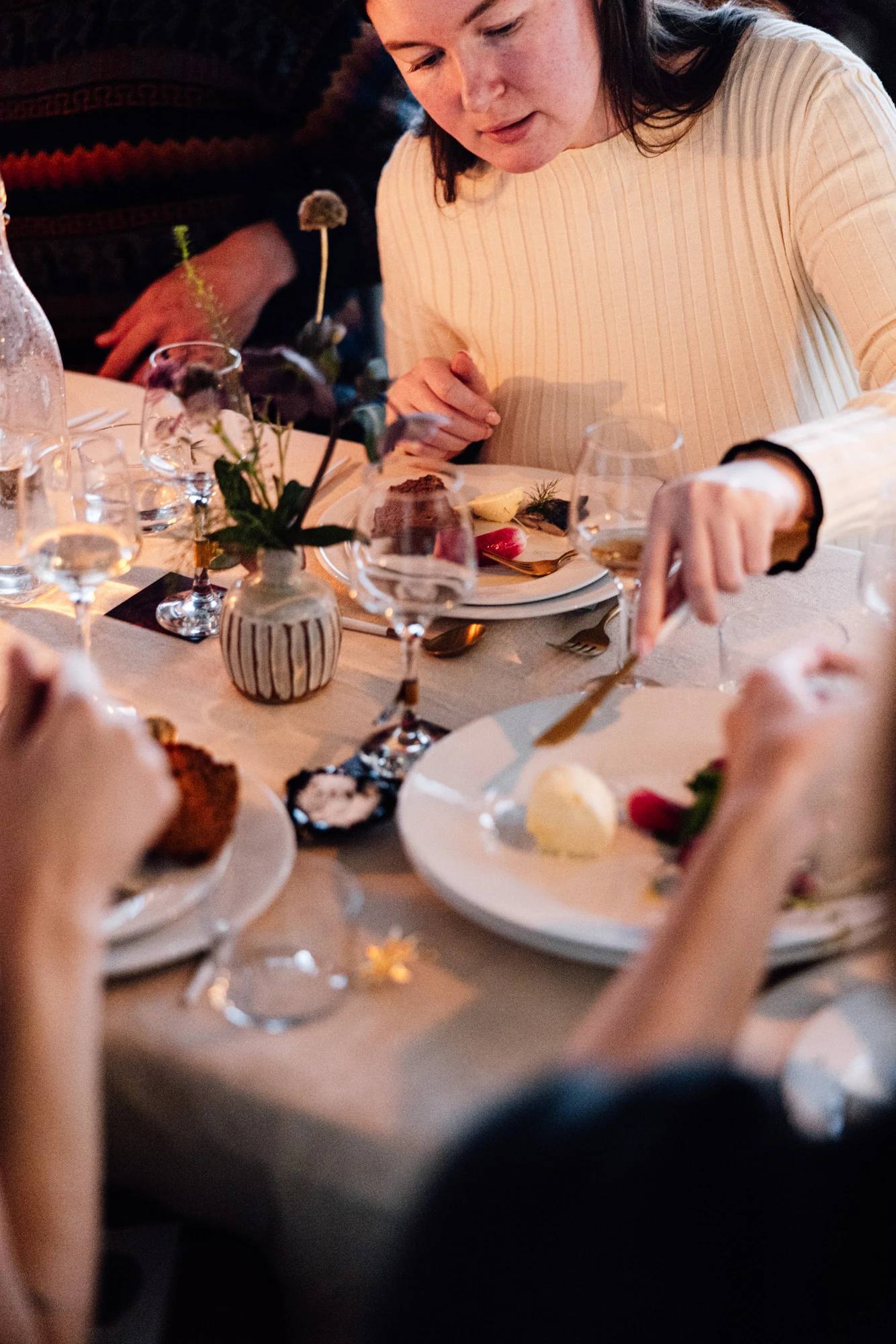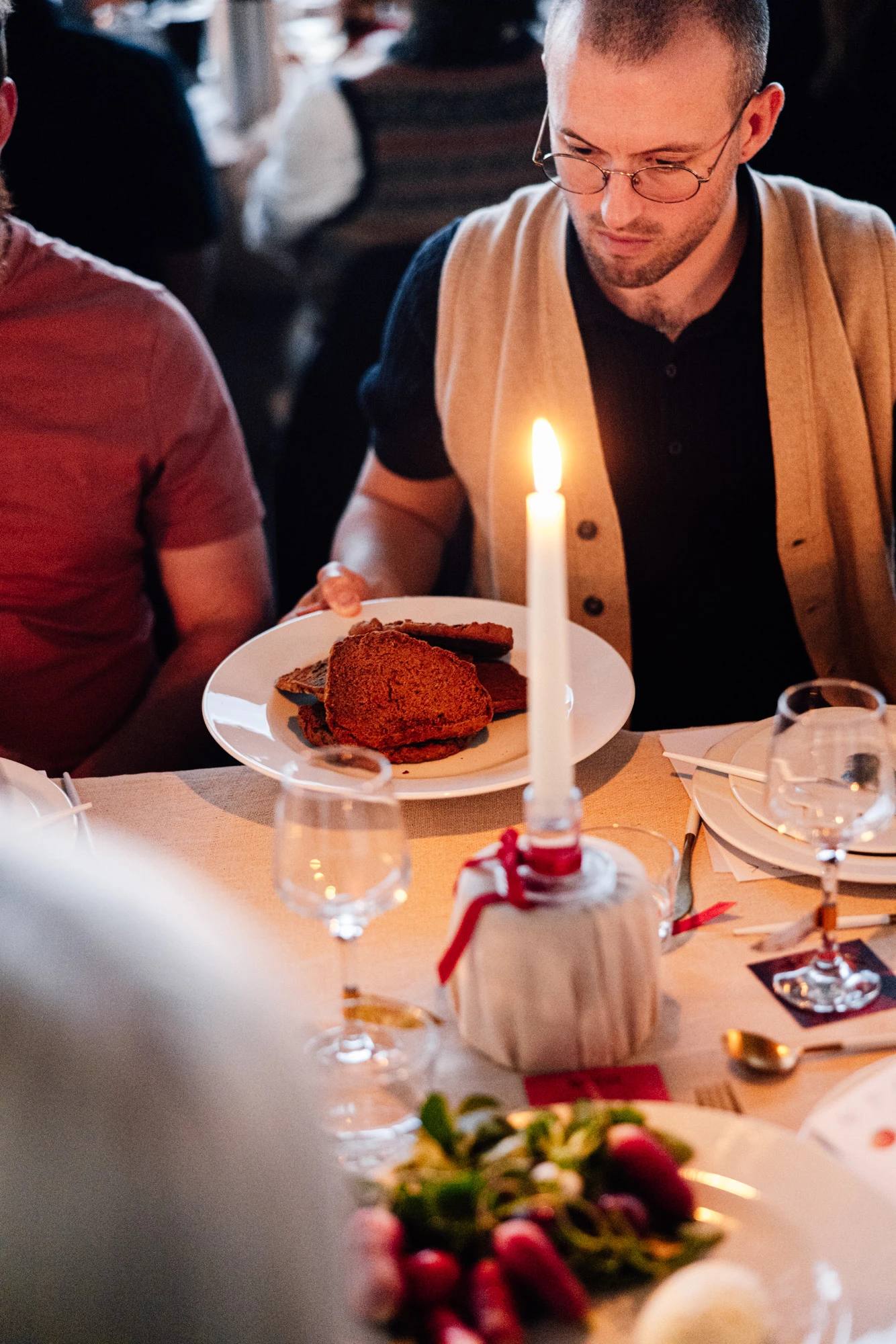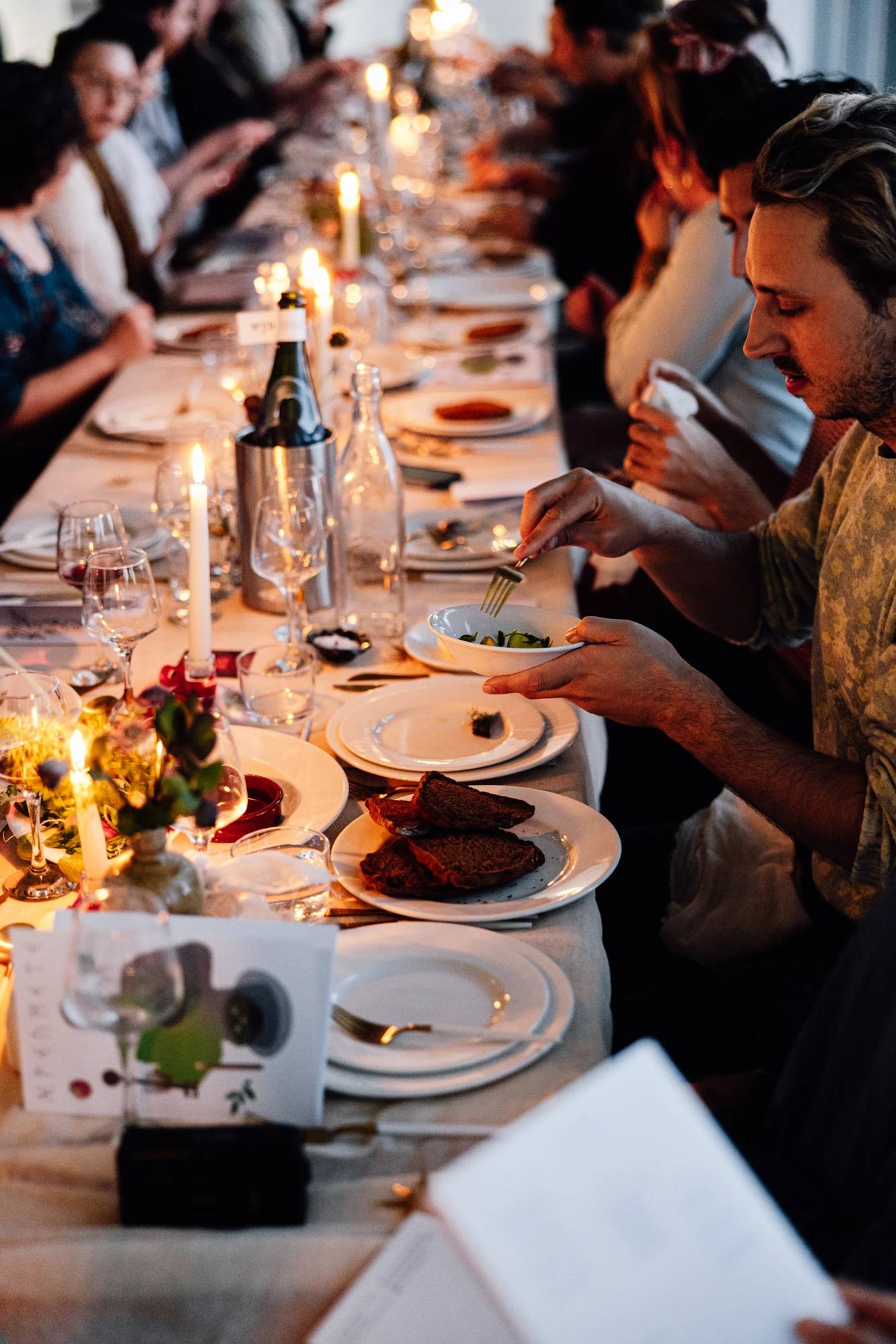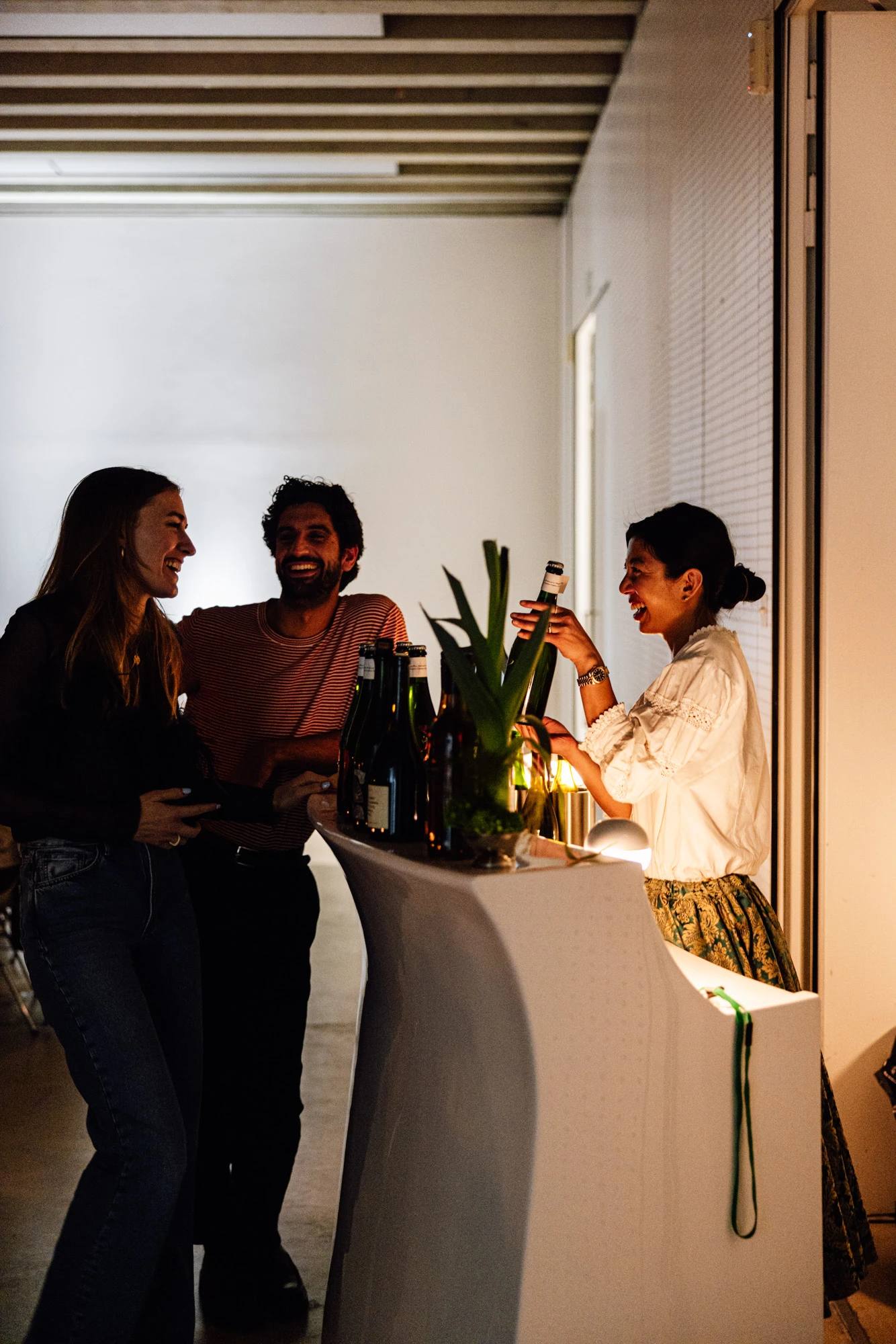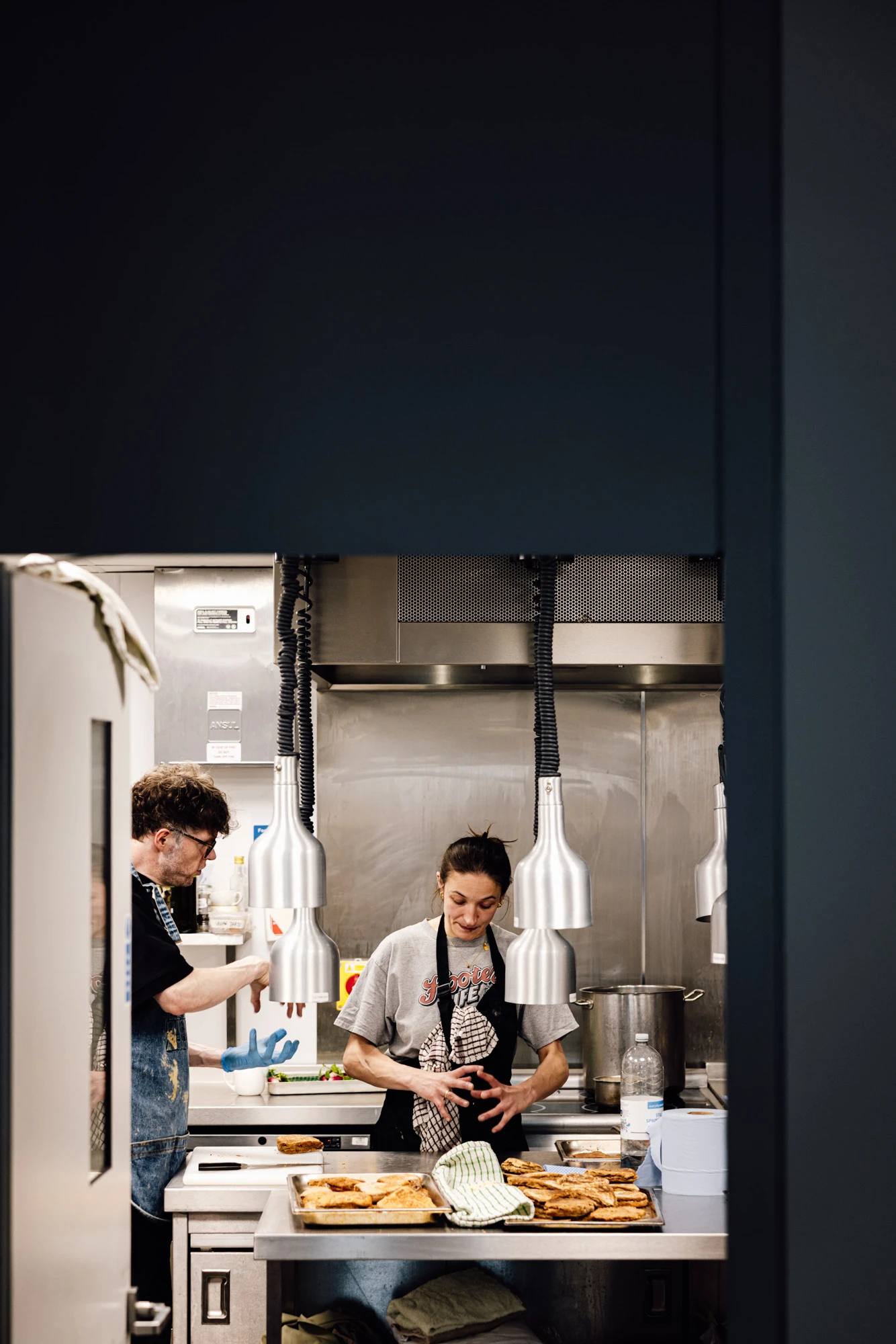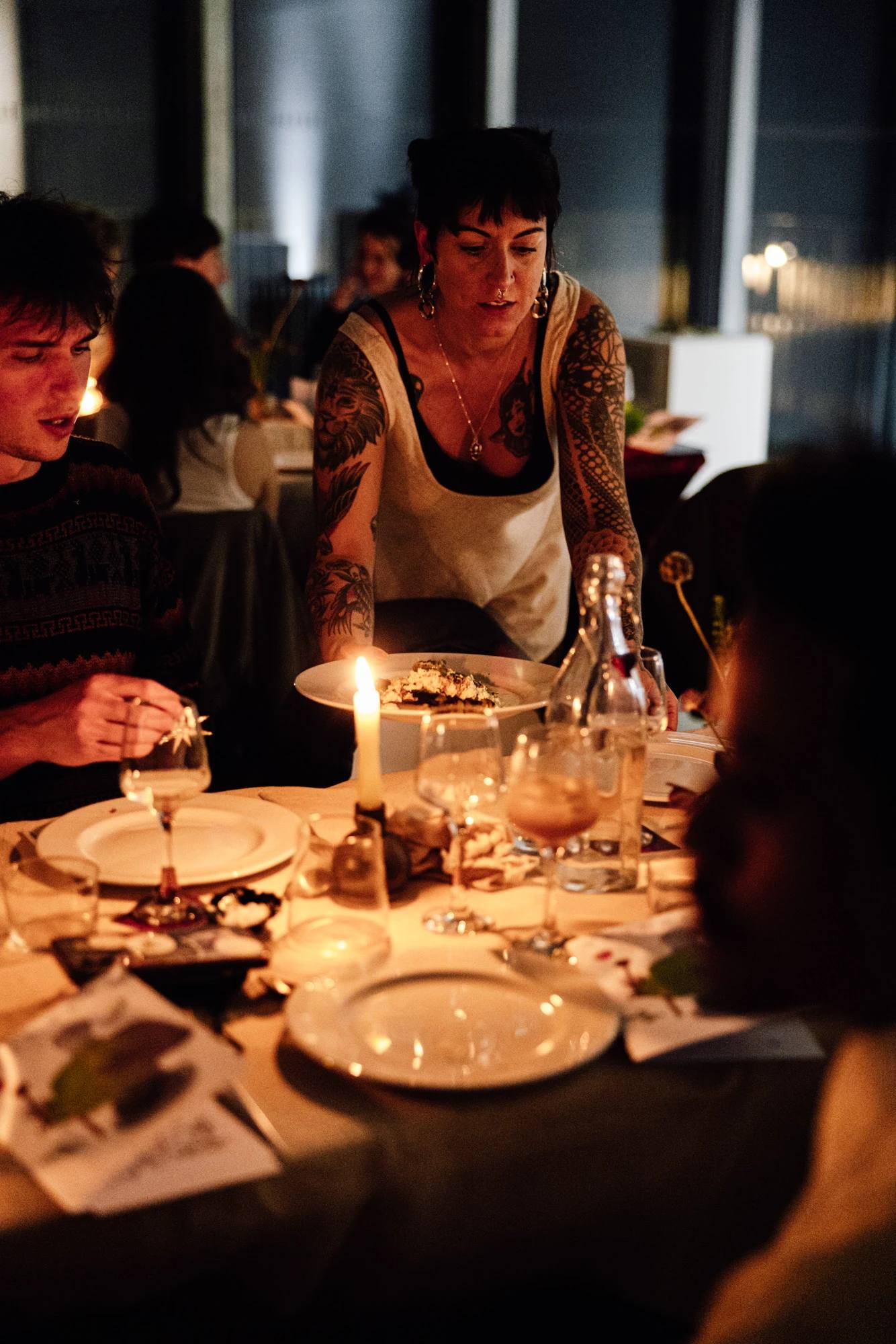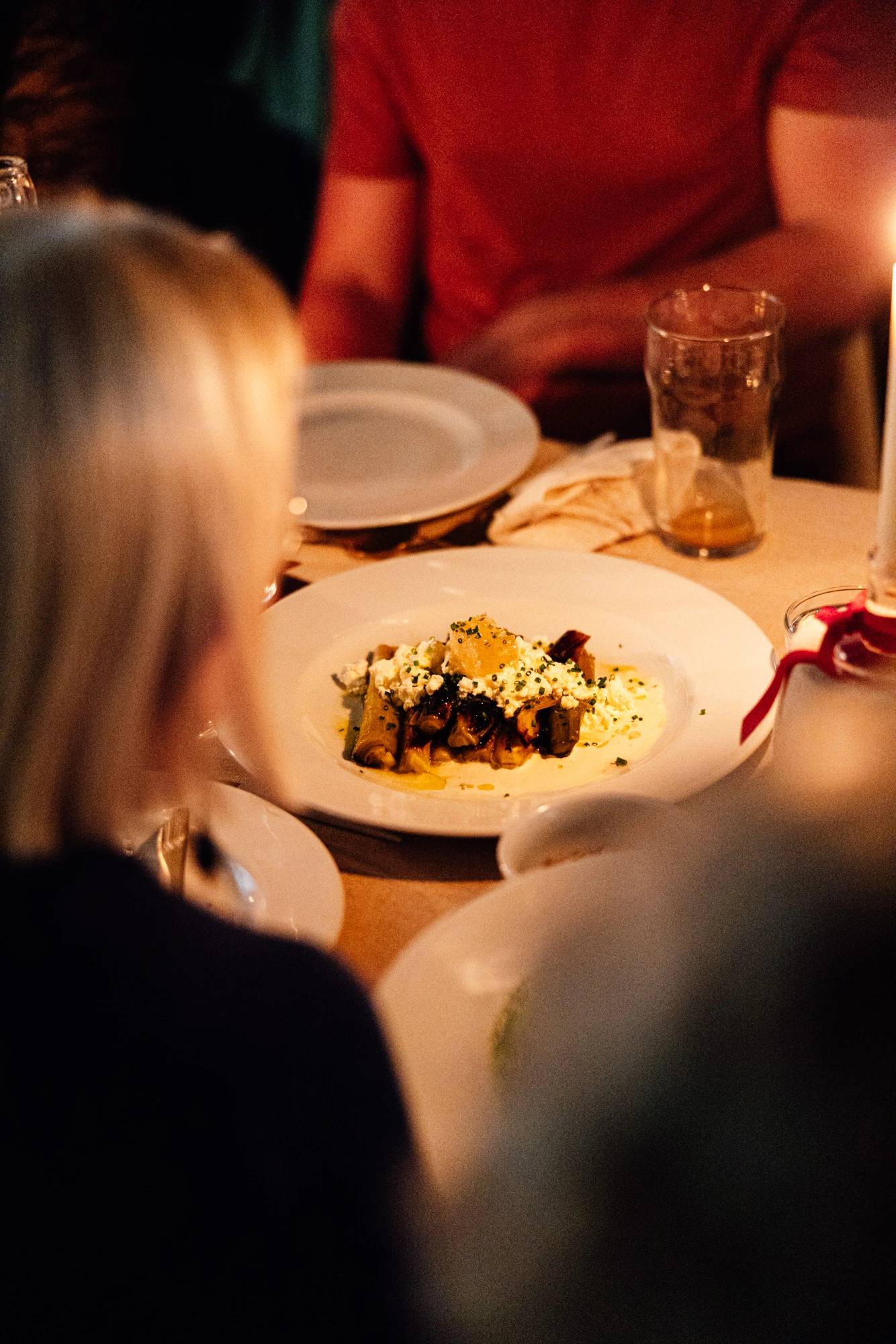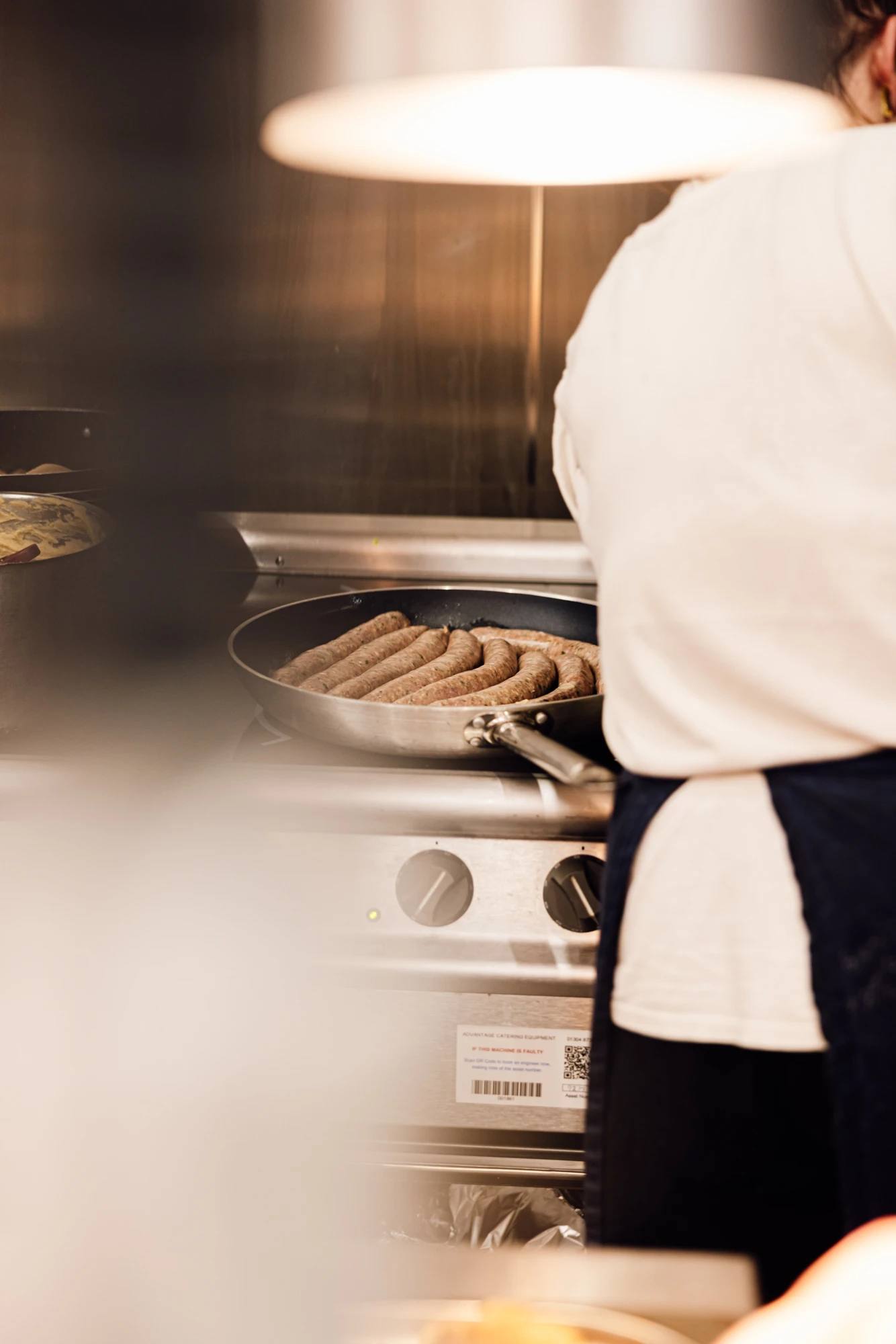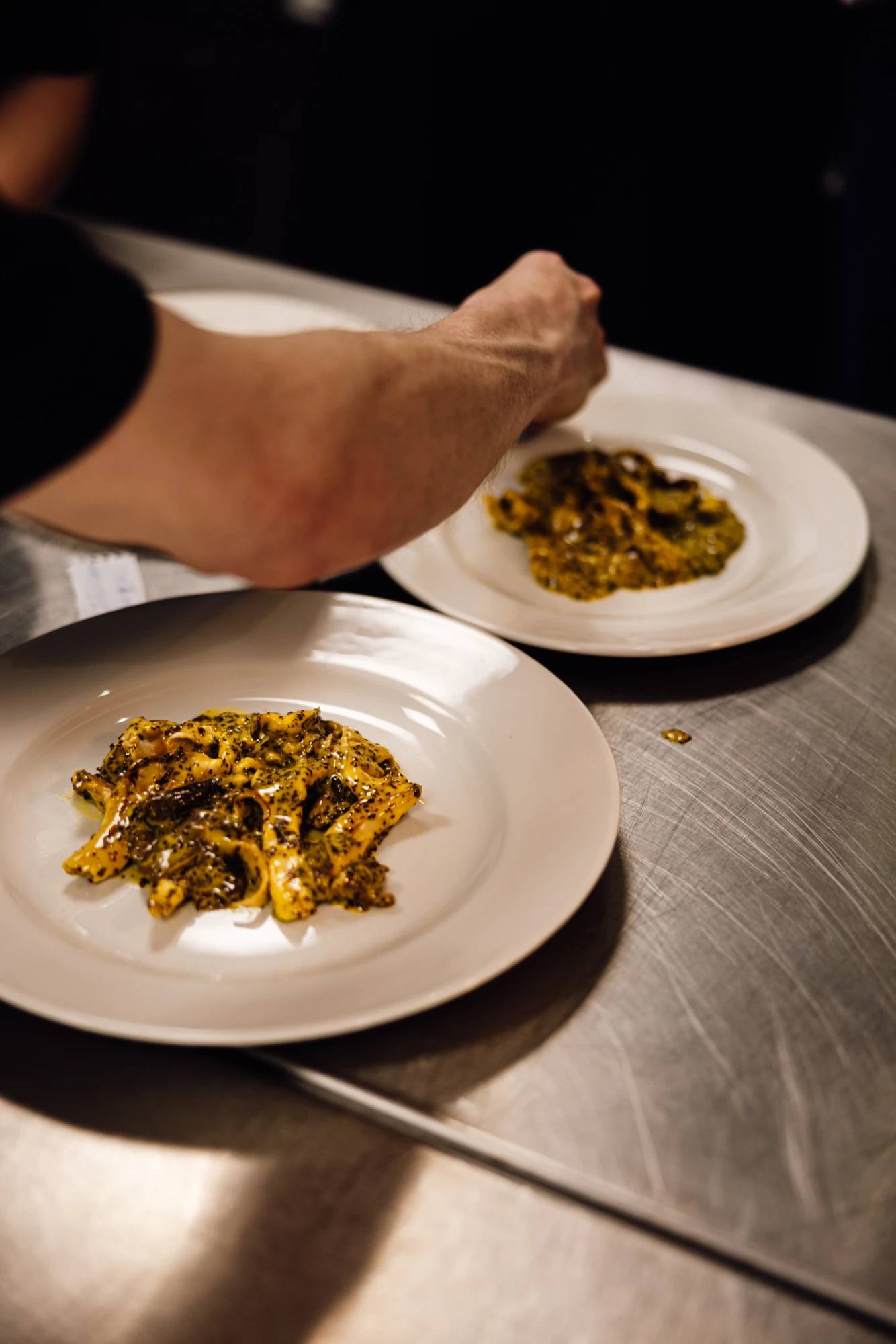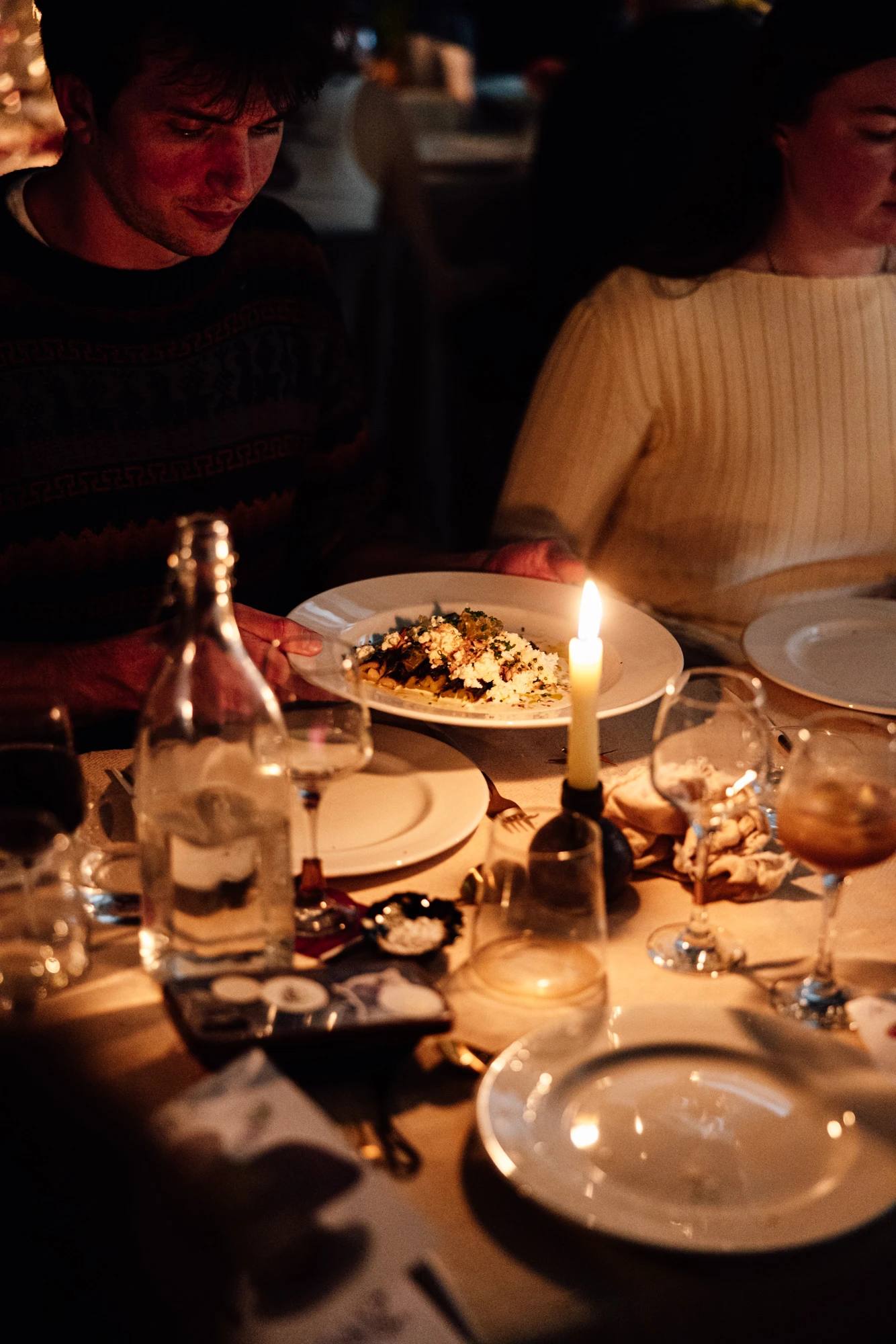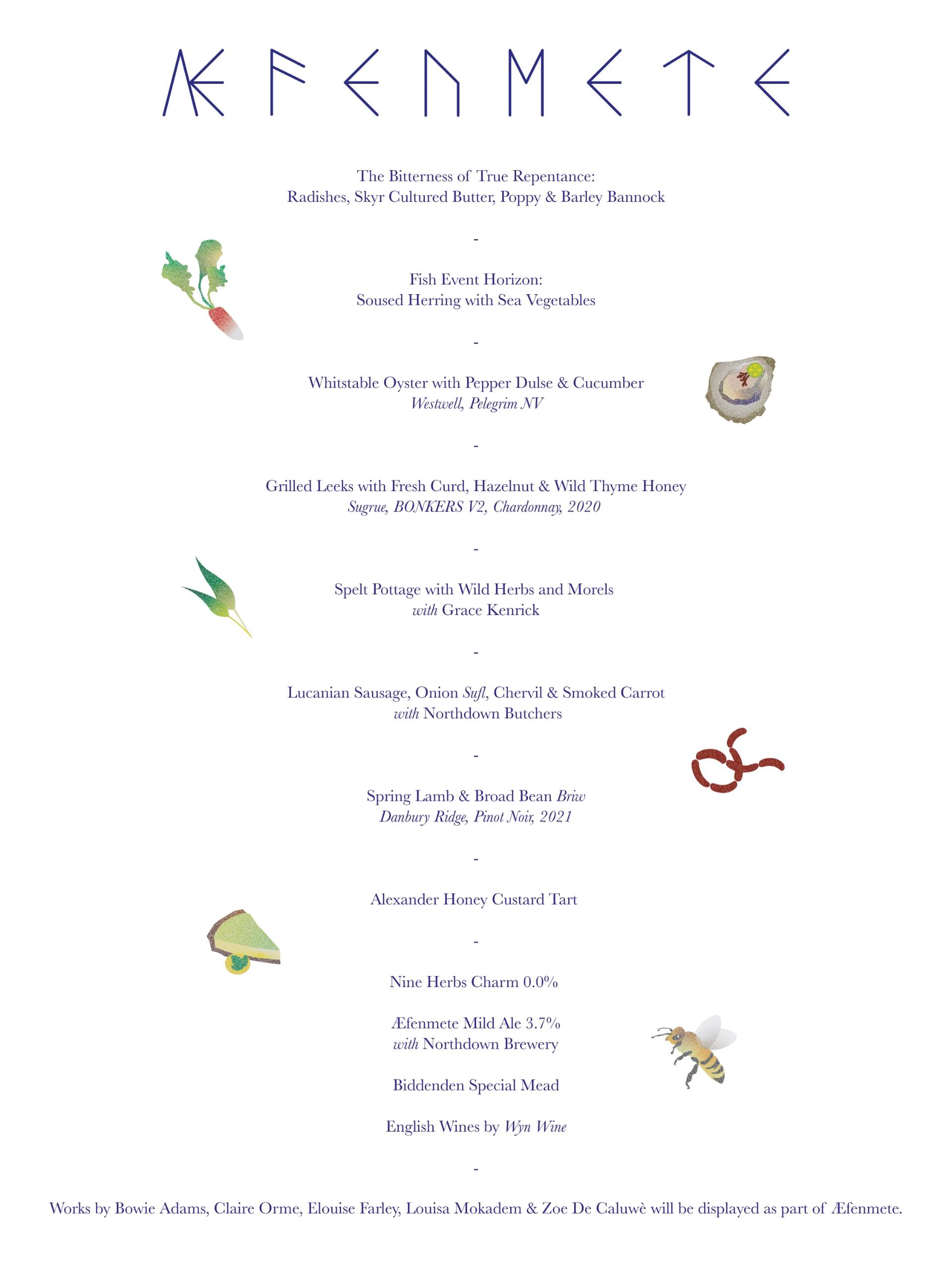
The eight-course feast explores the historical ‘hungry gap’: the lean weeks before the spring harvest, when winter stores ran low and communities relied on foraging, hunting, fishing and preserving food from the surrounding landscape.
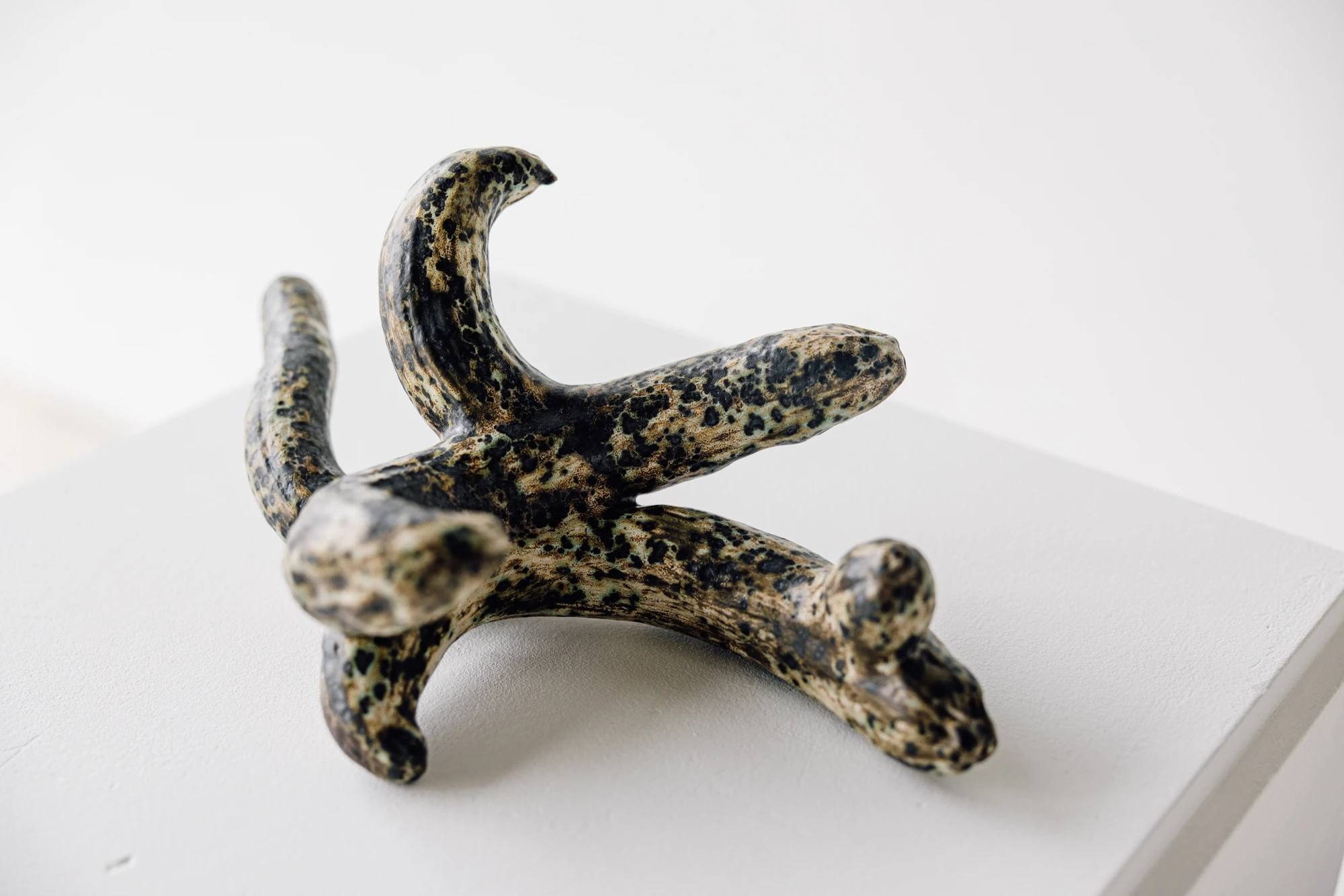
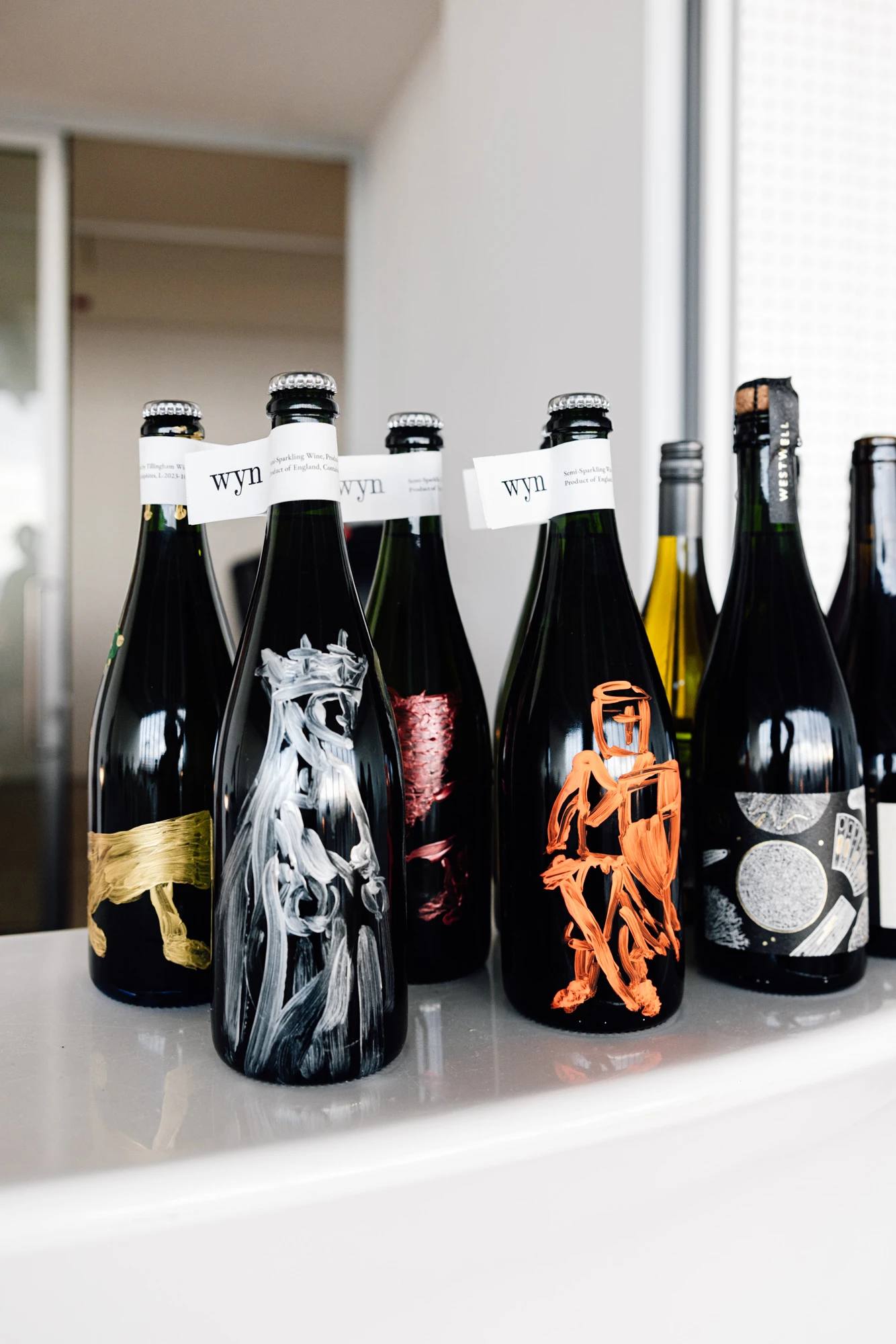
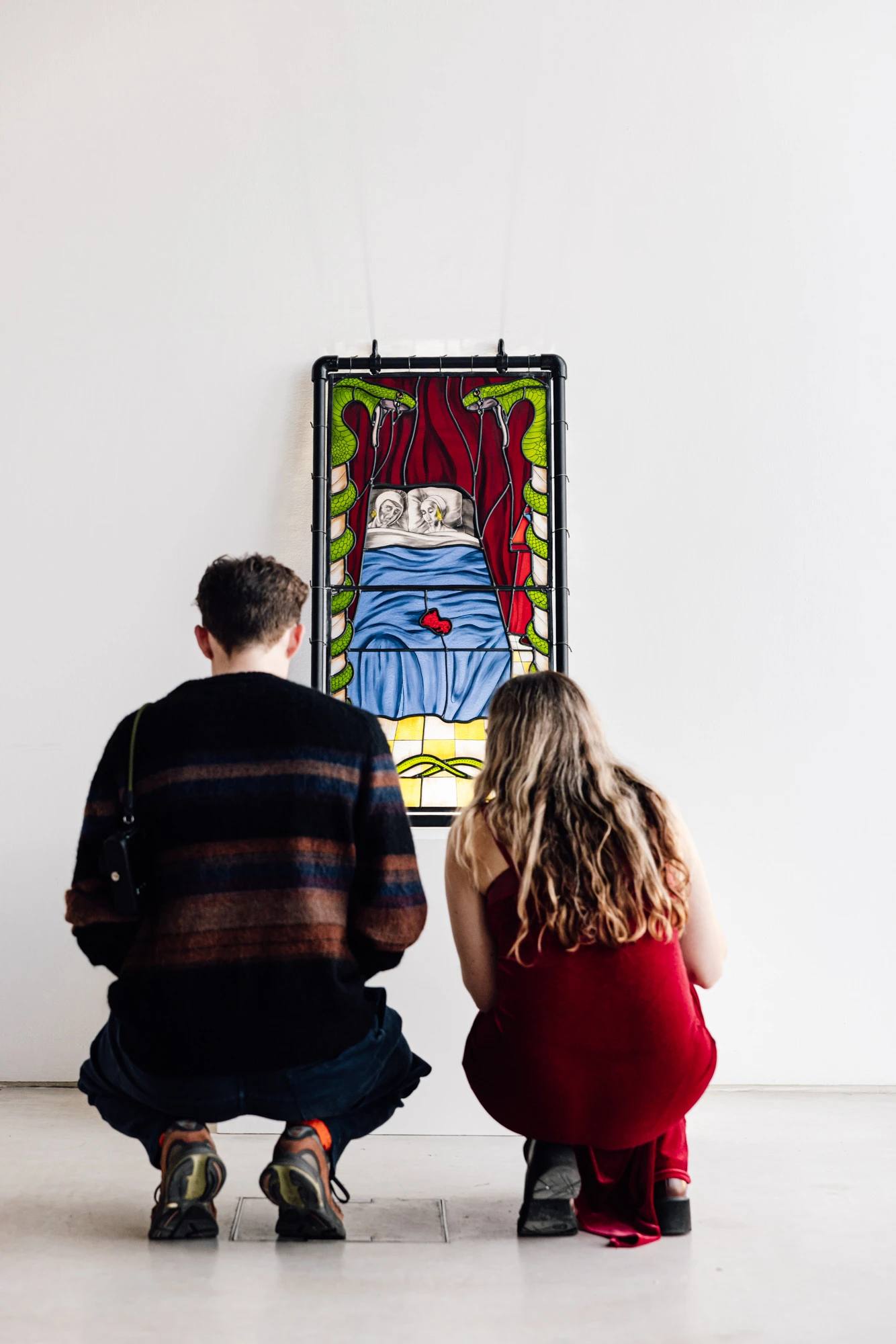
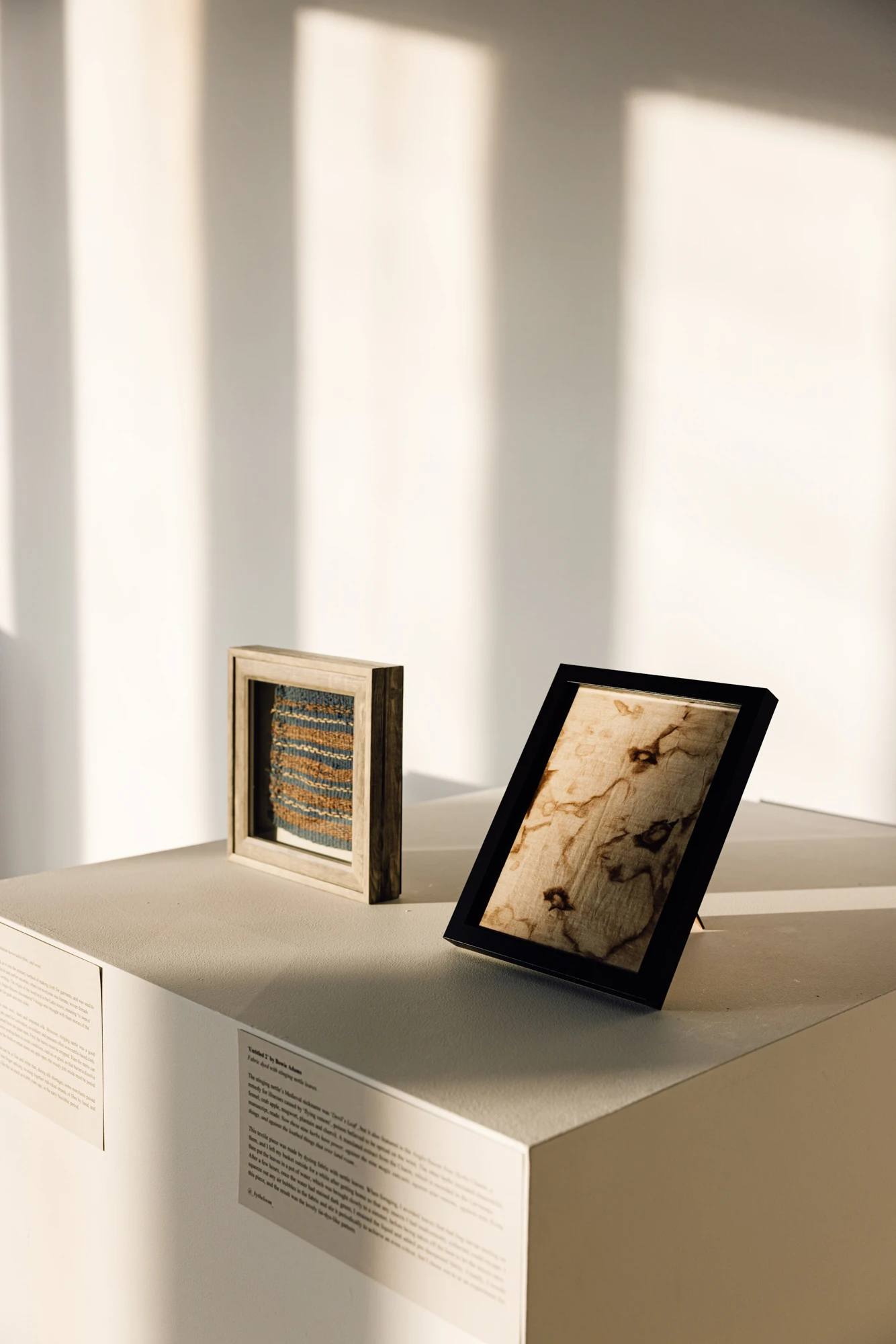
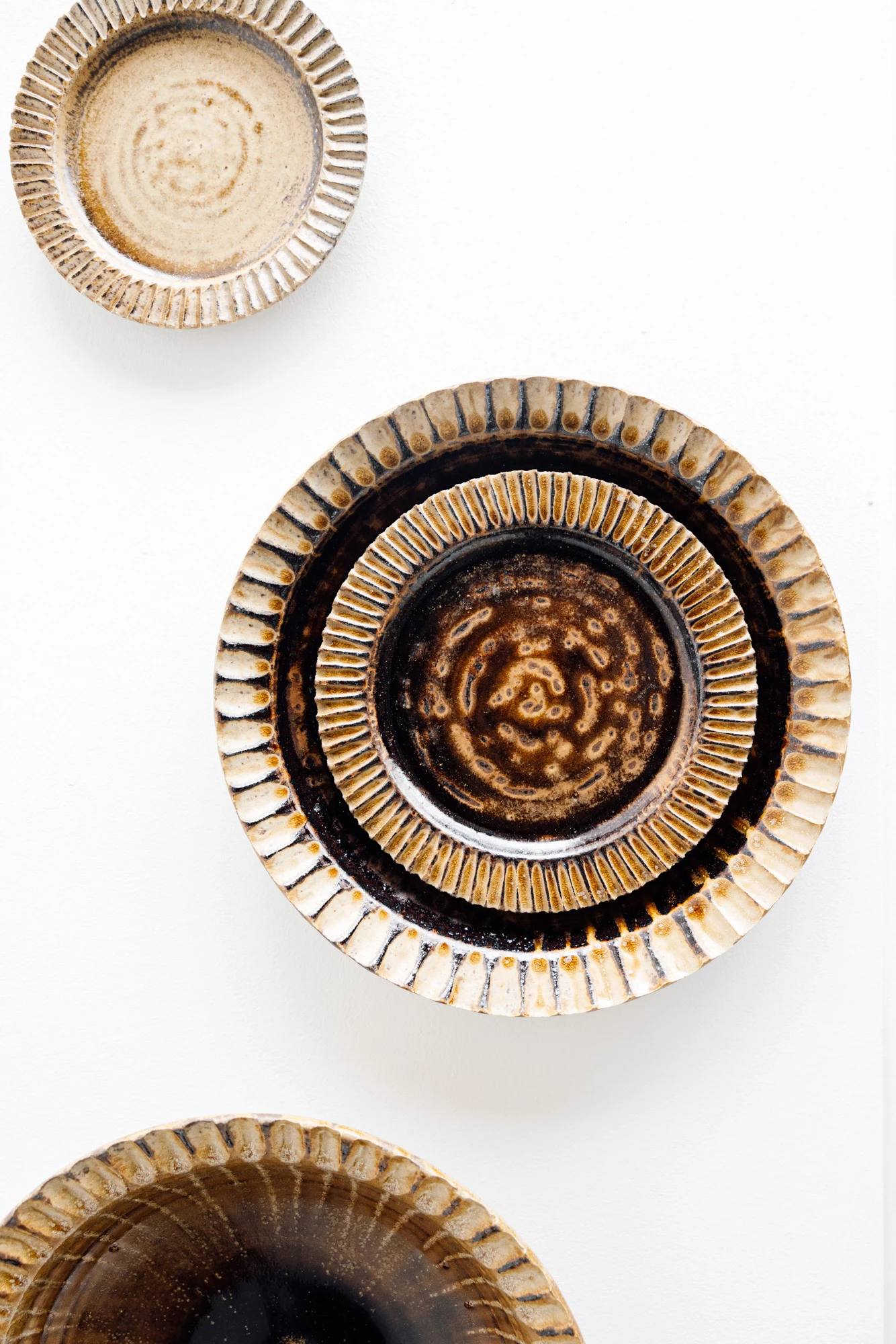
Rooted in Margate and the Isle of Thanet, the landing site of both the Anglo-Saxons and the arrival of Christianity in England, it draws on early medieval recipes, historical chronicles and archaeological evidence to evoke a sense of what an early-medieval banquet table might look like. Louisa worked with artists and craftspeople to produce works that examine the period, as well as independent food and beverage producers to produce, for example, a period-accurate dark ale.